The Complete Guide to Cooking for Beginners
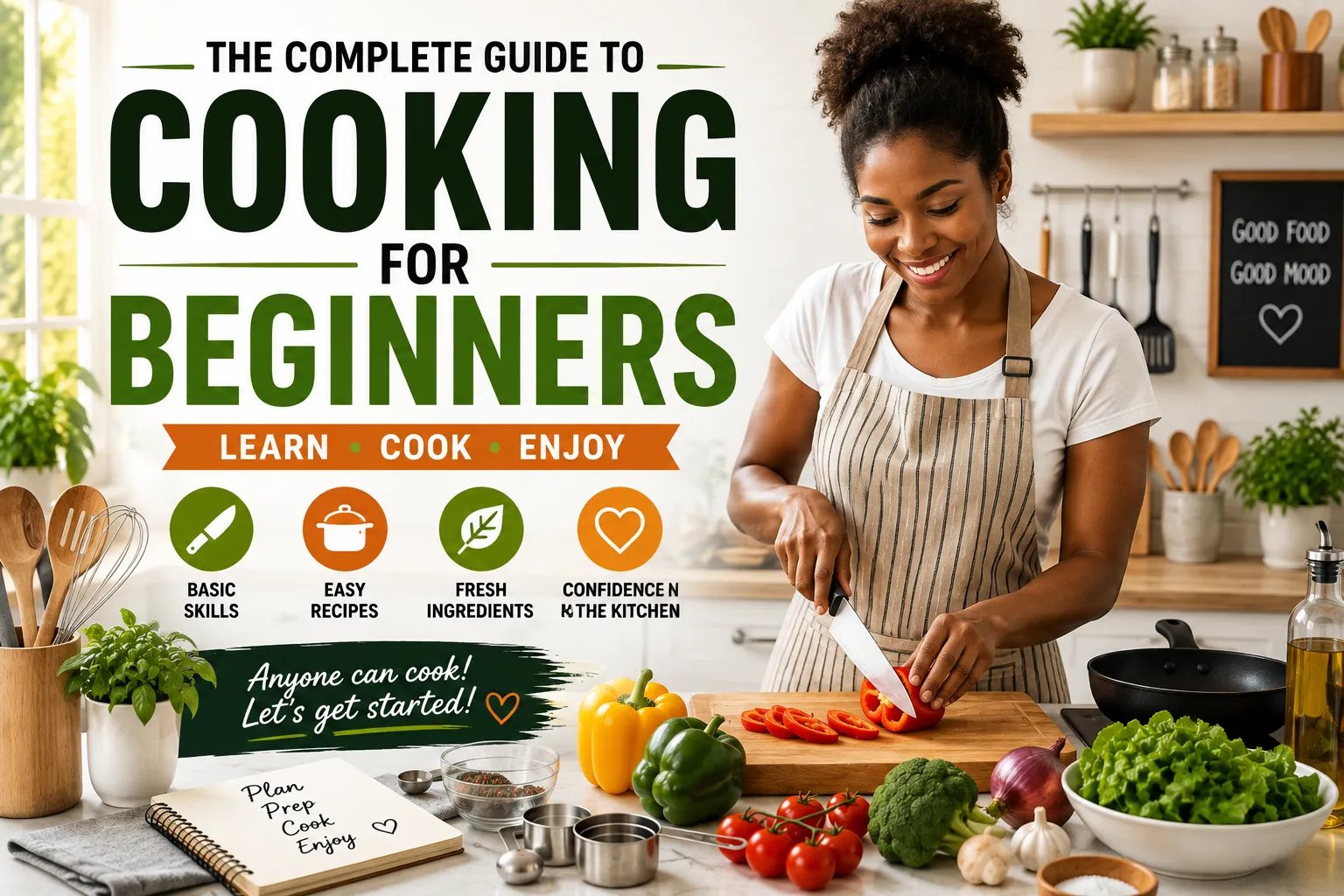
The Complete Guide to Cooking for Beginners
Cooking is one of the most valuable life skills you can learn. It allows you to prepare healthier meals, save money, explore new cuisines, and enjoy the satisfaction of creating food from scratch. While learning to cook may seem intimidating at first, every experienced chef once started with the basics. With a little practice, the right tools, and an understanding of essential techniques, anyone can become a confident home cook.
Whether you’re moving into your first home, looking to eat healthier, or simply want to expand your culinary skills, this comprehensive guide covers everything beginners need to know—from setting up your kitchen and mastering basic techniques to meal planning, food safety, and avoiding common cooking mistakes.
Why Learning to Cook Matters
Cooking offers benefits far beyond preparing meals.
Learning to cook can help you:
- Eat healthier foods
- Save money on dining out
- Control ingredients and portions
- Reduce food waste
- Gain confidence in the kitchen
- Explore different cultures through food
- Impress family and friends
- Develop lifelong practical skills
Cooking also encourages creativity and makes everyday meals more enjoyable.
Essential Kitchen Equipment
You don’t need a professional kitchen to prepare great meals.
Start with these essentials:
- Chef’s knife
- Cutting board
- Measuring cups and spoons
- Mixing bowls
- Frying pan
- Saucepan
- Baking tray
- Wooden spoon
- Spatula
- Colander
- Vegetable peeler
- Can opener
- Food storage containers
A good Kitchen Knives: Complete Guide for Home Cooks can help beginners understand which knives they actually need and how to use and maintain them safely.
Quality basic tools are often more valuable than a large collection of gadgets.
Stock Your Pantry
Keeping staple ingredients on hand makes cooking easier.
Essential pantry items include:
Dry Goods
- Rice
- Pasta
- Flour
- Oats
- Sugar
Canned Foods
- Tomatoes
- Beans
- Corn
- Tuna
Cooking Essentials
- Olive oil
- Vegetable oil
- Vinegar
- Salt
- Black pepper
Herbs and Spices
- Garlic powder
- Paprika
- Oregano
- Basil
- Cumin
- Chili flakes
- Cinnamon
For a deeper look at choosing, using, substituting, and storing ingredients, see the Cooking Ingredients Guide: Types, Uses, Substitutions & Storage.
A well-stocked pantry allows you to prepare many meals without frequent shopping trips.
Learn Basic Knife Skills
Proper knife skills improve both safety and efficiency.
Practice these cuts:
- Slicing
- Dicing
- Chopping
- Mincing
- Julienne
Always use a sharp knife and a stable cutting board.
Remember:
- Curl your fingers inward while cutting.
- Cut slowly until you build confidence.
- Keep knives clean and dry.
Understand Basic Cooking Methods
Every beginner should learn these fundamental techniques.
The Cooking Methods Explained: The Complete Guide provides a broader explanation of how different cooking techniques work and when to use them.
Boiling
Used for:
- Pasta
- Rice
- Potatoes
- Eggs
Sautéing
Cooking food quickly over medium to high heat with a small amount of oil.
Ideal for:
- Vegetables
- Chicken
- Shrimp
Roasting
Perfect for:
- Vegetables
- Chicken
- Potatoes
Roasting develops rich flavor and caramelization.
Baking
Used for:
- Bread
- Cakes
- Cookies
- Casseroles
Beginners who want to explore baking in greater depth can learn the fundamentals in the Complete Guide to Baking Fundamentals for Beginners.
Grilling
Adds smoky flavor to:
- Meat
- Fish
- Vegetables
Steaming
A healthy cooking method that preserves nutrients.
Common foods include:
- Broccoli
- Carrots
- Fish
- Dumplings
Read Recipes Carefully
Before starting:
- Read the entire recipe.
- Gather all ingredients.
- Prepare ingredients first.
- Measure everything accurately.
- Understand each step.
Professional chefs often use the French term mise en place, meaning “everything in its place,” to describe this preparation process.
Accurate measuring becomes particularly important when working with recipes that require precise ratios. The Cooking Measurements and Ingredient Conversions for Home Cooks guide can help beginners understand common measurements and conversions.
Learn Food Safety Basics
Safe food handling is essential.
Always remember to:
- Wash your hands before cooking.
- Keep raw meat separate from ready-to-eat foods.
- Cook foods to safe temperatures.
- Refrigerate leftovers promptly.
- Clean cutting boards thoroughly.
- Avoid cross-contamination.
Proper food safety helps reduce the risk of foodborne illness.
Master Simple Meals First
Start with recipes that build confidence.
Examples include:
- Scrambled eggs
- Pasta with tomato sauce
- Vegetable stir-fry
- Fried rice
- Grilled chicken
- Vegetable soup
- Baked potatoes
- Homemade salads
As your skills improve, gradually try more complex recipes.
If you’re learning to cook pasta, the Complete Guide to Pasta Cooking can help you develop better techniques for preparing different types of pasta.
Understand Seasoning
Seasoning is one of the most important cooking skills.
Common seasonings include:
- Salt
- Pepper
- Garlic
- Herbs
- Citrus juice
- Fresh herbs
- Butter
- Olive oil
Taste your food throughout the cooking process and adjust seasoning gradually.
For a more detailed explanation of balancing flavors, herbs, spices, and salt, see How to Season Food With Herbs, Spices, Salt and Other Flavors.
Learn How to Cook Vegetables
Different vegetables require different cooking methods.
Examples:
- Steam broccoli
- Roast carrots
- Sauté spinach
- Grill zucchini
- Boil potatoes
Avoid overcooking vegetables to preserve texture and flavor.
The Understanding Vegetables and Plant-Based Cooking guide provides additional information about preparing vegetables and incorporating more plant-based foods into everyday cooking.
Practice Cooking Protein
Common beginner-friendly proteins include:
- Chicken breast
- Eggs
- Fish
- Ground beef
- Tofu
- Beans
Use a food thermometer when appropriate to ensure foods are safely cooked.
Different proteins and cuts require different approaches. For meat and poultry, the guide on How to Cook Different Cuts of Meat and Poultry Properly explains how preparation and cooking methods can vary.
For seafood, see the Seafood Cooking Guide: How to Prepare and Cook Seafood.
Meal Planning Makes Cooking Easier
Planning meals saves time and money.
Benefits include:
- Fewer grocery trips
- Less food waste
- Healthier eating
- Easier budgeting
- Reduced stress
Many beginners find it helpful to prepare ingredients or entire meals in advance.
The Ultimate Guide to Meal Planning can help you turn individual cooking skills into a practical routine for planning meals throughout the week.
Keep Your Kitchen Organized
An organized kitchen makes cooking more enjoyable.
Tips include:
- Store similar items together.
- Label containers.
- Keep countertops clear.
- Organize spices alphabetically or by frequency of use.
- Clean as you cook.
Good organization also reduces preparation time.
Learn From Mistakes
Every cook makes mistakes.
Common beginner errors include:
- Overcrowding the pan
- Overcooking food
- Undercooking protein
- Adding too much salt
- Forgetting to taste food
- Cooking on heat that’s too high
- Not reading the recipe first
Mistakes are valuable learning opportunities that improve your skills over time.
Build Confidence Through Practice
The best way to become a better cook is to cook regularly.
Challenge yourself by:
- Trying one new recipe each week
- Learning one new technique each month
- Experimenting with herbs and spices
- Cooking meals for friends or family
- Watching instructional cooking videos
- Keeping notes on successful recipes
Consistency builds confidence and experience.
For beginners interested in breadmaking, understanding How Bread Dough Works and How to Make Better Yeast Bread is another useful way to expand cooking skills into more specialized techniques.
Beginner Cooking Checklist
| Skill | Beginner Goal |
|---|---|
| Knife skills | Learn safe chopping and slicing |
| Boiling | Cook pasta, rice, and eggs correctly |
| Sautéing | Prepare vegetables and proteins |
| Roasting | Roast vegetables and chicken |
| Baking | Master simple baked dishes |
| Food safety | Prevent cross-contamination |
| Meal planning | Plan meals for one week |
| Seasoning | Taste and adjust flavors confidently |
| Kitchen organization | Keep tools and ingredients accessible |
| Cleaning | Clean as you cook |
For another foundational skill, learning how cooking temperature changes texture, doneness, and overall results can make recipes much more predictable. See How Cooking Temperature Affects Food and Cooking Results.
Frequently Asked Questions
What’s the easiest meal for beginners?
Simple dishes such as scrambled eggs, pasta with tomato sauce, stir-fries, soups, and grilled chicken are excellent starting points.
Do I need expensive kitchen equipment?
No. A few quality essentials—such as a chef’s knife, frying pan, saucepan, and cutting board—are enough for most home cooking.
How can I improve my cooking skills?
Practice regularly, follow recipes carefully, learn basic techniques, taste your food as you cook, and gradually try more challenging recipes.
Why is seasoning important?
Seasoning enhances flavor and helps ingredients taste their best. Learning when and how to season food is one of the biggest steps toward becoming a confident cook.
Is meal planning worth it?
Yes. Planning meals helps reduce food waste, saves money, simplifies grocery shopping, and makes healthy eating easier.
For cooks who want to place greater emphasis on nutritious preparation methods and balanced meals, the Healthy Cooking Guide is a useful next step.
Developing Your Cooking Skills for Life
Cooking is a lifelong skill that becomes easier and more enjoyable with practice. By mastering the basics, keeping your kitchen organized, understanding simple cooking techniques, and building confidence through regular practice, you’ll be able to prepare delicious homemade meals for yourself and your family.
Remember that every great cook started as a beginner. Focus on learning one skill at a time, enjoy the process, and don’t be afraid to experiment. With patience and consistency, cooking will become one of the most rewarding parts of your daily routine.