Understanding Vegetables and Plant-Based Cooking
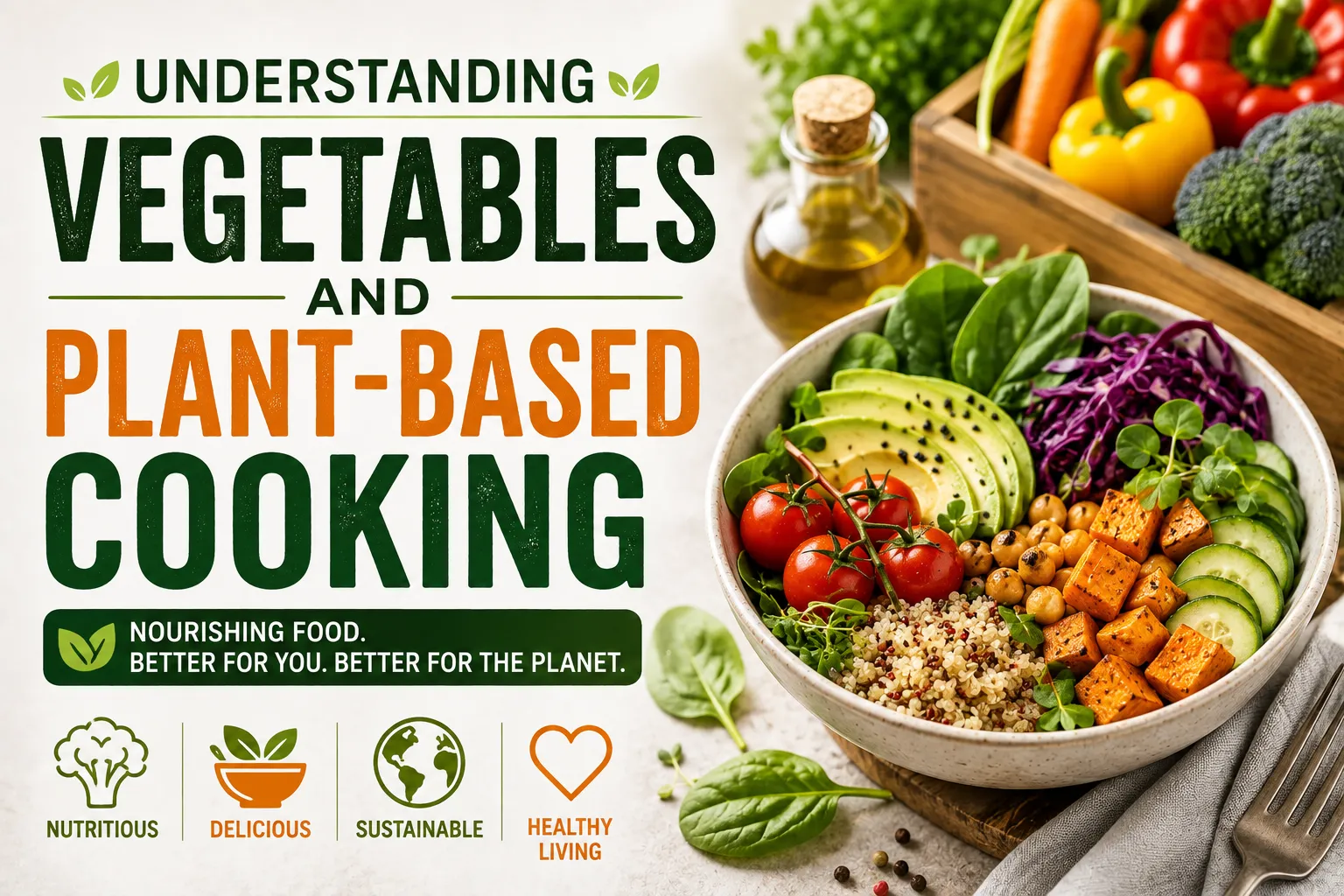
Understanding Vegetables and Plant-Based Cooking
Vegetables have always been an important part of cooking, but the way people use them in the kitchen continues to evolve. From simple vegetable soups and roasted side dishes to completely plant-based meals, vegetables can provide color, texture, flavor and nutritional value while serving as the foundation of an entire meal.
Plant-based cooking goes beyond simply removing meat from a recipe. It involves understanding how vegetables, legumes, grains, fruits, nuts, seeds, herbs and other plant foods can work together to create meals that are satisfying and flavorful.
Whether you are trying to eat more vegetables, reduce your reliance on animal products or simply become a more versatile cook, learning how different plant foods behave in the kitchen can make everyday meals much more interesting. These fundamentals are also part of the broader skills covered in the Complete Guide to Cooking for Beginners.
What Is Plant-Based Cooking?
Plant-based cooking focuses primarily on foods that come from plants.
These can include:
- Vegetables
- Fruits
- Beans
- Lentils
- Peas
- Whole grains
- Nuts
- Seeds
- Mushrooms
- Herbs
- Spices
- Plant-based oils and fats
Plant-based does not necessarily mean exactly the same thing as vegan.
A vegan diet avoids animal-derived foods, while “plant-based” can be used more broadly to describe an eating pattern centered on plant foods. Some people who describe their diets as plant-based may occasionally eat meat, fish, eggs or dairy products.
The common principle is that plants play a central role in the meal.
Why Vegetables Matter in Cooking
Vegetables do much more than provide nutrients.
They can contribute:
- Sweetness
- Bitterness
- Acidity
- Texture
- Aroma
- Color
- Moisture
- Crispness
- Creaminess
- Umami
A carrot can become sweet and caramelized when roasted. A tomato can provide acidity and moisture. Mushrooms can add a savory quality. Leafy greens can provide freshness and structure.
Understanding these characteristics helps you cook vegetables intentionally rather than treating them as an afterthought.
Different Types of Vegetables
Vegetables can be grouped in several ways, but understanding their physical characteristics is particularly useful when cooking.
Root Vegetables
Root vegetables grow underground and often have dense textures.
Examples include:
- Carrots
- Beets
- Radishes
- Turnips
- Parsnips
- Sweet potatoes
Many root vegetables become sweeter when roasted because heat encourages browning and concentrates their natural flavors.
They are also useful in soups, stews, curries and baked dishes.
Leafy Greens
Leafy greens include:
- Spinach
- Kale
- Collard greens
- Swiss chard
- Lettuce
- Mustard greens
Some leafy greens are delicate and cook quickly, while others have tougher leaves that benefit from longer cooking.
Tender spinach can wilt in minutes, while sturdier greens may need simmering or sautéing for longer.
Cruciferous Vegetables
Cruciferous vegetables include:
- Broccoli
- Cauliflower
- Cabbage
- Brussels sprouts
- Kale
- Bok choy
These vegetables can be steamed, roasted, stir-fried, grilled or incorporated into soups.
Roasting is particularly useful when you want deeper flavors and browned edges.
Alliums
Alliums are essential flavor-building ingredients.
They include:
- Onions
- Garlic
- Shallots
- Leeks
- Scallions
Rather than functioning only as vegetables served on the side, alliums often form the foundation of an entire dish.
Slowly cooking onions, for example, can create sweetness and depth that carry through a soup, sauce or stew.
Fruits Commonly Used as Vegetables
Some foods botanically classified as fruits are treated as vegetables in everyday cooking.
Tomatoes, peppers, eggplants, cucumbers, zucchini and pumpkins are common examples.
This distinction is less important in the kitchen than understanding how each ingredient behaves when cooked.
Choosing Fresh Vegetables
Freshness can influence both flavor and texture.
When shopping, look for vegetables that appear appropriate for their variety and are generally firm and free from significant signs of decay.
Depending on the vegetable, useful indicators can include:
- Crisp leaves
- Firm texture
- Bright, natural color
- Minimal bruising
- No excessive moisture or sliminess
- Fresh-looking stems
Not every imperfect vegetable is unusable.
Minor blemishes can often be removed, while slightly less attractive produce can work perfectly well in soups, sauces, stews and blended dishes.
Frozen Vegetables Can Be Useful Too
Fresh vegetables are not automatically better for every situation.
Frozen vegetables can be convenient, have a long storage life and reduce food waste.
Because many frozen vegetables are processed relatively soon after harvesting, they can retain substantial nutritional value.
Frozen peas, spinach, corn, mixed vegetables and other products can be particularly useful for quick meals.
Keeping a few frozen vegetables available can also make it easier to cook at home when fresh ingredients are limited.
Canned Vegetables Have a Place in the Kitchen
Canned vegetables and legumes can also be valuable pantry ingredients.
Canned tomatoes, beans, chickpeas, corn and other products can simplify meal preparation.
When using canned vegetables, check the label and consider factors such as added sodium, sugar or sauces.
For canned beans, rinsing them can help remove some of the liquid and reduce sodium depending on the product.
Learn How Different Cooking Methods Affect Vegetables
The same vegetable can taste completely different depending on how it is cooked.
Common cooking methods include:
- Boiling
- Steaming
- Roasting
- Baking
- Grilling
- Stir-frying
- Sautéing
- Braising
- Stewing
- Air frying
Learning these techniques is one of the easiest ways to become more confident with plant-based cooking. Understanding when and why to use each technique is covered more broadly in Cooking Methods Explained: The Complete Guide.
Roasting Brings Out Natural Sweetness
Roasting exposes vegetables to relatively high, dry heat.
This can produce browned edges, concentrated flavors and appealing textures.
Vegetables that work well when roasted include:
- Carrots
- Cauliflower
- Broccoli
- Potatoes
- Sweet potatoes
- Brussels sprouts
- Peppers
- Eggplant
- Zucchini
Cut vegetables into reasonably similar sizes so they cook more evenly.
A small amount of oil, salt and appropriate seasoning may be enough.
Steaming Preserves a Different Texture
Steaming cooks vegetables using hot vapor rather than immersing them directly in water.
It can be particularly useful when you want vegetables to remain relatively crisp and fresh-tasting.
Broccoli, green beans, carrots and leafy greens can all work well with steaming.
The biggest mistake is often overcooking.
Vegetables generally do not need to become extremely soft unless a particular recipe calls for it.
Stir-Frying Is Fast and Versatile
Stir-frying uses relatively high heat and quick cooking.
Because the cooking process is fast, ingredients should generally be prepared before you begin.
Cut vegetables into manageable pieces and add them according to how quickly they cook.
Harder vegetables may need to enter the pan earlier than delicate greens.
A basic stir-fry can combine vegetables with:
- Tofu
- Tempeh
- Beans
- Mushrooms
- Whole grains
- Noodles
- Nuts or seeds
A flavorful sauce can bring everything together.
Grilling Adds Smoky Flavor
Grilling vegetables can produce charred surfaces and smoky flavors.
Suitable choices include:
- Peppers
- Corn
- Eggplant
- Zucchini
- Mushrooms
- Onions
- Asparagus
Larger pieces can be easier to manage on a grill, while smaller ingredients can be placed in a suitable grilling basket or threaded onto skewers.
Grilled vegetables can be served as a side dish or incorporated into salads, sandwiches, wraps and grain bowls.
Sautéing Is a Useful Everyday Technique
Sautéing is one of the easiest ways to prepare vegetables quickly.
A small amount of cooking fat is heated in a pan before vegetables are added.
The technique works particularly well for onions, peppers, mushrooms, spinach, zucchini and other relatively quick-cooking ingredients.
Seasoning throughout the cooking process can help build flavor rather than leaving all the seasoning until the end.
Don’t Overlook Raw Vegetables
Not every vegetable needs to be cooked.
Raw vegetables can provide crispness and freshness that cooked ingredients cannot always replicate.
Salads can combine:
- Leafy greens
- Tomatoes
- Cucumbers
- Carrots
- Peppers
- Cabbage
- Radishes
- Avocado
- Fresh herbs
Raw vegetables can also be used in sandwiches, wraps, slaws and fresh salsas.
Combining raw and cooked vegetables in the same meal can create more interesting contrasts in texture and temperature.
Build Flavor in Layers
One of the biggest challenges in plant-based cooking is creating depth of flavor.
The solution is not necessarily to use more ingredients.
Instead, think about building flavor in layers.
Start with aromatic ingredients such as onions, garlic, ginger or herbs.
Then add spices and vegetables.
Introduce savory ingredients such as mushrooms, fermented foods, beans or suitable sauces.
Finally, balance the dish with acidity, salt and freshness.
This approach can transform simple ingredients into a much more satisfying meal.
Learn the Importance of Acidity
Acid is one of the most useful tools in cooking.
Ingredients such as:
- Lemon juice
- Lime juice
- Vinegar
- Tamarind
- Tomatoes
can brighten a dish and balance richer flavors.
A vegetable stew that tastes heavy or flat may not need more salt.
It may need a small amount of acidity.
Add acidic ingredients gradually and taste as you go.
Use Herbs and Spices Strategically
Herbs and spices can dramatically expand the variety of plant-based meals.
Fresh herbs such as cilantro, parsley, basil, mint and dill can add freshness.
Dried spices such as cumin, paprika, turmeric, coriander, cinnamon, black pepper and chili can provide warmth and complexity.
Different cuisines use plant ingredients in very different ways, making global cooking an excellent source of inspiration. For a deeper look at how to build flavor, see the guide to seasoning food with herbs, spices, salt and other flavors.
Understanding Umami in Plant-Based Cooking
Umami is often described as a savory or deeply satisfying taste.
Meat and other animal foods can provide significant umami, but plant-based cooking has many sources too.
These can include:
- Mushrooms
- Tomatoes
- Fermented foods
- Soy sauce
- Miso
- Nutritional yeast
- Sea vegetables
- Certain aged or concentrated ingredients
Using umami-rich ingredients can make vegetable-based dishes taste more substantial without relying on meat.
Beans Are a Plant-Based Kitchen Staple
Beans are among the most versatile ingredients available to plant-based cooks.
Examples include:
- Black beans
- Kidney beans
- Chickpeas
- Pinto beans
- White beans
- Lentils
- Split peas
They can be used in soups, stews, salads, curries, dips, wraps and grain bowls.
Beans also provide plant-based protein and dietary fiber, making them useful for meals that need more substance.
Lentils Cook Quickly and Fit Many Dishes
Lentils are particularly useful because many varieties do not require the soaking process associated with some dried beans.
They can form the foundation of:
- Soups
- Curries
- Stews
- Salads
- Patties
- Sauces
Different varieties have different textures.
Red lentils tend to break down more readily, making them useful for creamy soups and curries. Green and brown lentils generally hold their shape better.
Tofu Is More Versatile Than It Looks
Tofu is made from soybeans and can take on different textures depending on how it is prepared.
It can be:
- Stir-fried
- Baked
- Grilled
- Scrambled
- Crumbled
- Added to soups
- Blended into sauces
Pressing certain types of tofu before cooking can remove excess moisture and improve texture for recipes where browning is desired.
Because tofu has a relatively mild flavor, marinades and sauces can play an important role.
Whole Grains Can Make Meals More Satisfying
Plant-based meals do not have to consist entirely of vegetables.
Whole grains can provide texture, energy and variety.
Examples include:
- Brown rice
- Oats
- Barley
- Whole-grain maize products
- Quinoa
- Millet
- Sorghum
- Whole-wheat products
Combining grains with vegetables and legumes can create balanced and filling meals.
Nuts and Seeds Add Texture
Nuts and seeds can provide crunch and richness.
Useful options include:
- Peanuts
- Almonds
- Cashews
- Walnuts
- Sesame seeds
- Sunflower seeds
- Pumpkin seeds
- Chia seeds
- Flaxseeds
They can be sprinkled over salads, incorporated into sauces or used as toppings for grain bowls and cooked vegetables.
Nut and seed butters can also form the base of dressings and sauces.
Mushrooms Deserve Special Attention
Mushrooms are particularly useful in plant-based cooking because of their savory flavor and meaty texture.
Different varieties behave differently, but many can be:
- Roasted
- Grilled
- Sautéed
- Stir-fried
- Added to soups
- Used in sauces
Cooking mushrooms over sufficient heat can help remove excess moisture and encourage browning.
Make Vegetables the Main Event
One common approach to plant-based cooking is to make vegetables the centerpiece rather than treating them as side dishes.
Instead of:
Meat + starch + small serving of vegetables
try thinking:
Roasted vegetables + legumes + grain + flavorful sauce
For example, a bowl might contain roasted cauliflower, chickpeas, brown rice, fresh herbs and a lemon-based dressing.
This changes the way the meal is constructed.
Vegetables become central to the flavor rather than something added for nutritional balance.
Use Sauces to Bring Meals Together
A good sauce can make simple ingredients feel completely different.
Plant-based sauces can include:
- Tahini dressing
- Peanut sauce
- Tomato sauce
- Herb sauces
- Coconut-based curries
- Bean-based dips
- Cashew sauces
- Salsa
- Lemon and olive-oil dressings
Having one or two versatile sauces available can make meal preparation much easier.
The same roasted vegetables can taste completely different when paired with a spicy peanut sauce one day and a fresh herb dressing the next.
Balance Texture as Well as Flavor
Good cooking is not only about taste.
Texture can determine whether a meal feels satisfying.
Try combining contrasting textures such as:
- Crisp vegetables
- Creamy beans
- Chewy grains
- Crunchy nuts
- Soft roasted vegetables
- Fresh herbs
A bowl containing only soft ingredients can feel less interesting even when the flavors are good.
Texture adds another dimension to the meal.
Think About Protein When Planning Meals
Plant-based diets can provide protein through a variety of foods.
Useful sources include:
- Beans
- Lentils
- Chickpeas
- Peas
- Soy foods
- Nuts
- Seeds
- Some whole grains
People have different nutritional needs, so anyone making a major dietary change should consider whether their overall eating pattern provides adequate nutrients.
Those following restrictive diets may benefit from discussing their nutritional needs with a registered dietitian or other qualified healthcare professional.
Plant-Based Cooking Does Not Have to Be Complicated
One misconception is that plant-based meals require elaborate recipes and unusual ingredients.
They do not.
A simple meal might consist of:
- Roasted vegetables
- Beans
- Rice
- Fresh herbs
- A flavorful dressing
Another might be lentil soup with vegetables and whole-grain bread.
The goal is not to recreate restaurant-style dishes every night.
Simple meals can be nutritious, economical and delicious.
Use Seasonal Produce When Practical
Seasonal vegetables can offer advantages in flavor, availability and sometimes price.
Local availability varies considerably by location and season, so there is no universal list of vegetables that are always cheapest or best at a particular time.
Instead, pay attention to what is abundant where you live.
Seasonal cooking can also encourage variety throughout the year.
Reduce Food Waste
Vegetable scraps do not always belong in the trash.
Depending on the ingredient and condition, some parts can be used in other preparations.
For example:
- Vegetable stems can be incorporated into soups.
- Herb stems can flavor stocks and sauces.
- Vegetable trimmings can contribute to homemade stock.
- Slightly soft vegetables can be roasted or added to stews.
- Overripe tomatoes can become sauces.
Proper food safety still matters. Produce that is moldy, spoiled or otherwise unsafe should be discarded rather than repurposed.
Store Vegetables Properly
Proper storage can extend freshness and reduce waste.
Different vegetables have different storage requirements.
Leafy greens generally benefit from appropriate refrigeration and moisture management, while potatoes and onions are usually stored differently.
Avoid assuming every vegetable belongs in the refrigerator.
Learning basic storage practices for the vegetables you buy most often can save money and improve meal quality.
Wash Produce Appropriately
Wash fresh produce under clean running water before eating or preparing it unless packaging instructions indicate otherwise.
Washing can help remove dirt and some surface contaminants.
Soap and household detergents are not recommended for washing fruits and vegetables because they can leave residues and may not be safe to consume.
Good kitchen hygiene also includes washing hands, utensils and preparation surfaces appropriately.
Plant-Based Cooking Can Be Budget-Friendly
Cooking around plants does not necessarily mean buying expensive specialty products.
Some of the most affordable plant-based ingredients include:
- Beans
- Lentils
- Peas
- Rice
- Oats
- Seasonal vegetables
- Potatoes
- Maize and other grains
- Cabbage
- Carrots
Dried legumes can be especially economical when purchased and prepared appropriately.
Frozen and canned ingredients can also be useful when fresh produce is expensive or unavailable.
You Don’t Need to Replace Everything With a Plant-Based Alternative
The growing market for plant-based meat, dairy alternatives and other substitutes gives consumers more options.
But these products are not mandatory for plant-based cooking.
A meal does not need a plant-based version of meat or cheese to be satisfying.
Beans, mushrooms, lentils, vegetables, grains and sauces can form complete dishes in their own right.
Plant-based substitutes can be useful for convenience or preference, but they should be evaluated individually rather than assuming that every product is automatically healthier because it is plant-based.
Experiment With Different Cuisines
One of the easiest ways to become better at plant-based cooking is to explore different culinary traditions.
Many cuisines already use vegetables, legumes and grains as important components of meals.
You can draw inspiration from:
- Indian cooking
- Mediterranean cuisine
- Middle Eastern dishes
- East African cooking
- Mexican cuisine
- Thai dishes
- Japanese cooking
- Chinese cuisine
- Caribbean food
Exploring different cuisines introduces new combinations of spices, sauces, cooking methods and ingredients.
It also prevents plant-based cooking from becoming repetitive.
A Simple Formula for Building Plant-Based Meals
When you are unsure what to cook, use a basic formula:
Vegetable + protein-rich plant food + grain or other carbohydrate + flavor + texture
For example:
Roasted broccoli + chickpeas + brown rice + lemon-tahini sauce + pumpkin seeds
Or:
Sautéed vegetables + tofu + noodles + ginger-garlic sauce + crushed peanuts
This approach is flexible enough to accommodate whatever ingredients you already have.
Make One Change at a Time
If you are trying to eat more plant foods, there is no need to transform your diet overnight.
Start with one or two meals each week.
You might:
- Add beans to a familiar dish
- Replace one meat-based meal with lentils
- Add an extra vegetable to dinner
- Try a new whole grain
- Make a vegetable-based soup
- Experiment with tofu
- Add more fresh fruit to breakfast
Gradual changes are often easier to maintain than an extreme dietary overhaul.
What Makes a Plant-Based Meal Satisfying?
A satisfying meal generally needs more than vegetables alone.
Consider combining:
- A source of protein
- A source of carbohydrates
- Vegetables or fruit
- Some healthy fat
- Strong seasoning
- Contrasting textures
This creates a meal that feels substantial rather than simply being a plate of vegetables.
Common Mistakes in Plant-Based Cooking
Several problems can make plant-based meals less enjoyable.
Under-seasoning
Vegetables need seasoning just like meat does.
Overcooking
Mushy vegetables can lose much of their appeal.
Using only one texture
A meal made entirely of soft ingredients may feel dull.
Forgetting acidity
Lemon juice, vinegar or other acidic ingredients can brighten heavy flavors.
Making every meal complicated
Simple meals are often easier to prepare consistently.
Treating vegetables as side dishes
Making vegetables the center of the meal can open up many more possibilities.
The Kitchen Skills That Matter Most
You do not need professional culinary training to become a good plant-based cook.
A few fundamental skills can take you a long way:
- Knife safety
- Proper chopping
- Controlling cooking temperature
- Roasting
- Sautéing
- Steaming
- Making simple sauces
- Balancing salt and acidity
- Understanding seasoning
- Storing food safely
Once these skills become familiar, recipes become less important.
You can look at the ingredients available in your kitchen and figure out what to make.
A More Flexible Way to Think About Vegetables
Vegetables should not be viewed simply as foods you are supposed to eat because they are “healthy.”
They are ingredients with enormous culinary potential.
A carrot can be roasted, blended into soup, shredded into a salad, added to a stew or incorporated into a sauce.
Cauliflower can be steamed, roasted, grilled, mashed or turned into a curry.
Cabbage can become a slaw, stir-fry, soup ingredient or braised dish.
Learning these possibilities makes healthy eating feel less restrictive.
Making Plant-Based Cooking Part of Everyday Life
Understanding vegetables and plant-based cooking is ultimately about becoming more comfortable with ingredients.
You do not need a perfect diet, an expensive kitchen or a pantry filled with unusual products.
Start by learning what different vegetables taste like, how they respond to heat and which ingredients complement them. Add beans, lentils, grains, nuts and seeds to create more substantial meals, then use herbs, spices, sauces and acidity to build flavor.
The more familiar you become with these ingredients, the less dependent you will be on rigid recipes.
Plant-based cooking works best when vegetables stop being treated as a compulsory side dish and become what they can be at their best: the colorful, flavorful and versatile foundation of a great meal.