The Ultimate Guide to Meal Planning
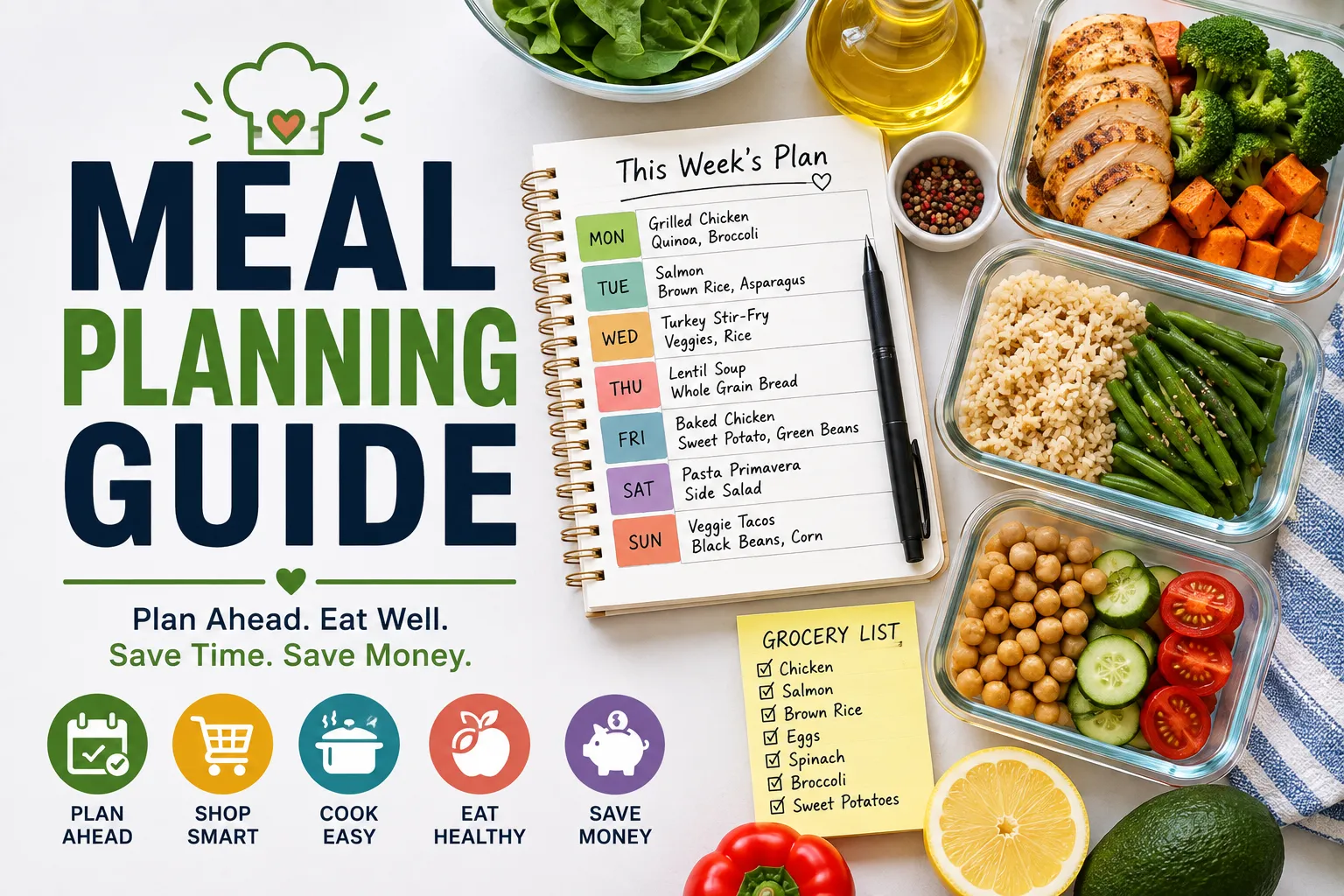
Meal Planning Guide
Meal planning has become one of the most effective ways to save time, reduce food waste, improve nutrition, and simplify everyday cooking. Whether you’re preparing meals for yourself, a growing family, or a busy household, having a clear plan helps eliminate the daily question of “What’s for dinner?” while making grocery shopping and food preparation far more efficient.
As food prices continue to fluctuate and busy schedules become the norm, more people are discovering that meal planning offers practical benefits beyond convenience. It supports healthier eating habits, helps manage grocery budgets, and makes it easier to enjoy home-cooked meals throughout the week.
This guide explains what meal planning is, why it works, how to create an effective meal plan, and practical strategies for making it a sustainable part of everyday life. For broader guidance on building foundational kitchen skills, see our complete guide to cooking for beginners.
What Is Meal Planning?
Meal planning is the process of deciding in advance what meals and snacks you will prepare over a specific period, typically a week.
A meal plan may include:
- Breakfasts
- Lunches
- Dinners
- Snacks
- Grocery lists
- Batch cooking schedules
- Leftover planning
- Special occasions
Planning ahead reduces last-minute decisions and makes cooking more organized.
Benefits of Meal Planning
Consistent meal planning offers numerous advantages.
It can help:
- Save time
- Reduce grocery costs
- Minimize food waste
- Encourage healthier eating
- Reduce stress
- Simplify shopping
- Improve portion planning
- Make cooking more efficient
Many households also find it easier to stick to nutritional goals when meals are planned in advance. For more detailed ideas about nutritious preparation, our healthy cooking guide provides additional guidance.
Start with Your Schedule
An effective meal plan begins with understanding your weekly routine.
Consider:
- Work schedules
- School activities
- Exercise routines
- Family commitments
- Social events
- Travel plans
- Available cooking time
Planning meals around busy days makes it easier to stay consistent.
Take Inventory First
Before creating a grocery list, check what you already have.
Look through:
- Refrigerator
- Freezer
- Pantry
- Spice cabinet
Using existing ingredients first helps reduce waste and unnecessary purchases.
Understanding how ingredients can be used in different dishes can also make this process easier. Our complete cooking ingredients guide covers ingredient types, uses, substitutions and storage.
Build Balanced Meals
A well-balanced meal typically includes a variety of nutrient-rich foods.
Common components include:
- Lean protein
- Whole grains
- Vegetables
- Fruits
- Healthy fats
- Dairy or fortified alternatives
Including a mix of food groups supports both nutrition and satisfaction.
Create a Weekly Menu
Many people find weekly planning easier than planning one day at a time.
A weekly menu may include:
- Simple weekday breakfasts
- Packed lunches
- Quick weeknight dinners
- Leftover meals
- Family favorites
- One or two new recipes
Leaving some flexibility allows room for unexpected schedule changes.
Make a Grocery List
Shopping with a list helps reduce impulse purchases and forgotten items.
Organize your list by category:
- Produce
- Dairy
- Meat and seafood
- Frozen foods
- Pantry staples
- Baking supplies
- Beverages
- Household essentials
A well-organized list also speeds up grocery shopping.
Batch Cooking
Preparing larger quantities of food saves time throughout the week.
Popular batch-cooked items include:
- Soups
- Stews
- Rice
- Pasta
- Grilled chicken
- Roasted vegetables
- Beans
- Sauces
Batch cooking reduces the need to prepare every meal from scratch.
Meal Prepping
Meal prep involves preparing ingredients or complete meals ahead of time.
Examples include:
- Washing vegetables
- Chopping produce
- Cooking grains
- Marinating proteins
- Portioning snacks
- Packing lunches
Even a small amount of preparation can significantly reduce cooking time during busy weekdays.
Smart Food Storage
Proper storage helps maintain freshness and food safety.
Helpful practices include:
- Label containers
- Refrigerate leftovers promptly
- Use airtight containers
- Rotate older ingredients first
- Freeze meals when appropriate
Organized storage also makes ingredients easier to find.
Reducing Food Waste
Meal planning naturally supports waste reduction.
Helpful habits include:
- Planning around ingredients already available
- Using leftovers creatively
- Buying realistic quantities
- Freezing excess food
- Monitoring expiration dates
Reducing waste benefits both household budgets and the environment.
Budget-Friendly Meal Planning
Planning meals can make grocery spending more predictable.
Money-saving strategies include:
- Buying seasonal produce
- Choosing store brands
- Purchasing pantry staples in bulk
- Planning around weekly sales
- Cooking at home more often
- Using leftovers efficiently
Simple planning often results in meaningful long-term savings.
Cooking for Families
Family meal planning benefits from involving everyone in the process.
Helpful ideas include:
- Rotate favorite meals
- Include child-friendly options
- Prepare flexible side dishes
- Schedule family cooking nights
- Balance familiar meals with new recipes
Shared planning can make mealtimes more enjoyable.
Healthy Snacking
Planning snacks helps prevent impulsive food choices.
Nutritious snack ideas include:
- Fresh fruit
- Yogurt
- Nuts
- Whole-grain crackers
- Vegetables with hummus
- Cheese
- Hard-boiled eggs
Preparing snacks in advance makes healthy options more accessible.
Kitchen Organization
An organized kitchen makes meal preparation faster and more enjoyable.
Helpful practices include:
- Group similar ingredients together
- Keep frequently used items accessible
- Label pantry containers
- Maintain a clean workspace
- Organize cooking utensils
Good organization supports more efficient cooking.
Helpful Kitchen Tools
Useful meal-planning equipment may include:
- Food storage containers
- Measuring cups
- Sharp knives
- Cutting boards
- Slow cooker
- Pressure cooker
- Blender
- Baking sheets
- Digital kitchen scale
- Meal planning notebook or app
The right tools simplify preparation and storage.
Common Meal Planning Mistakes
Avoid these common challenges:
- Planning overly complicated meals
- Buying too much food
- Ignoring leftovers
- Forgetting snacks
- Skipping meal prep
- Not considering your schedule
- Trying too many new recipes at once
Simple, realistic plans are easier to maintain over time.
Technology Makes Planning Easier
Digital tools continue improving meal planning.
Popular features include:
- Recipe organization
- Grocery list creation
- Pantry tracking
- Nutrition information
- Meal calendars
- Shopping reminders
- Shared family planning
Many apps synchronize across multiple devices for added convenience.
Tips for Long-Term Success
Build sustainable habits by:
- Planning one week at a time.
- Keeping meals simple.
- Preparing ingredients in advance.
- Shopping with a list.
- Using leftovers creatively.
- Trying one new recipe occasionally.
- Maintaining a well-stocked pantry.
- Staying flexible when plans change.
- Tracking favorite meals.
- Reviewing your plan before shopping.
Consistency is more important than perfection.
Building a More Efficient Meal Routine
Meal planning is one of the simplest ways to make home cooking more organized, affordable, and enjoyable. By taking time each week to plan meals, prepare ingredients, and shop efficiently, individuals and families can reduce daily stress while supporting healthier eating habits and minimizing food waste.
Whether you’re cooking for one person or an entire household, a practical meal-planning routine can save time, reduce costs, and make nutritious home-cooked meals easier to achieve. With thoughtful planning and a little preparation, meal planning becomes less of a chore and more of a valuable habit that supports long-term health and a well-run kitchen.