The Complete Guide to Living a Balanced Lifestyle
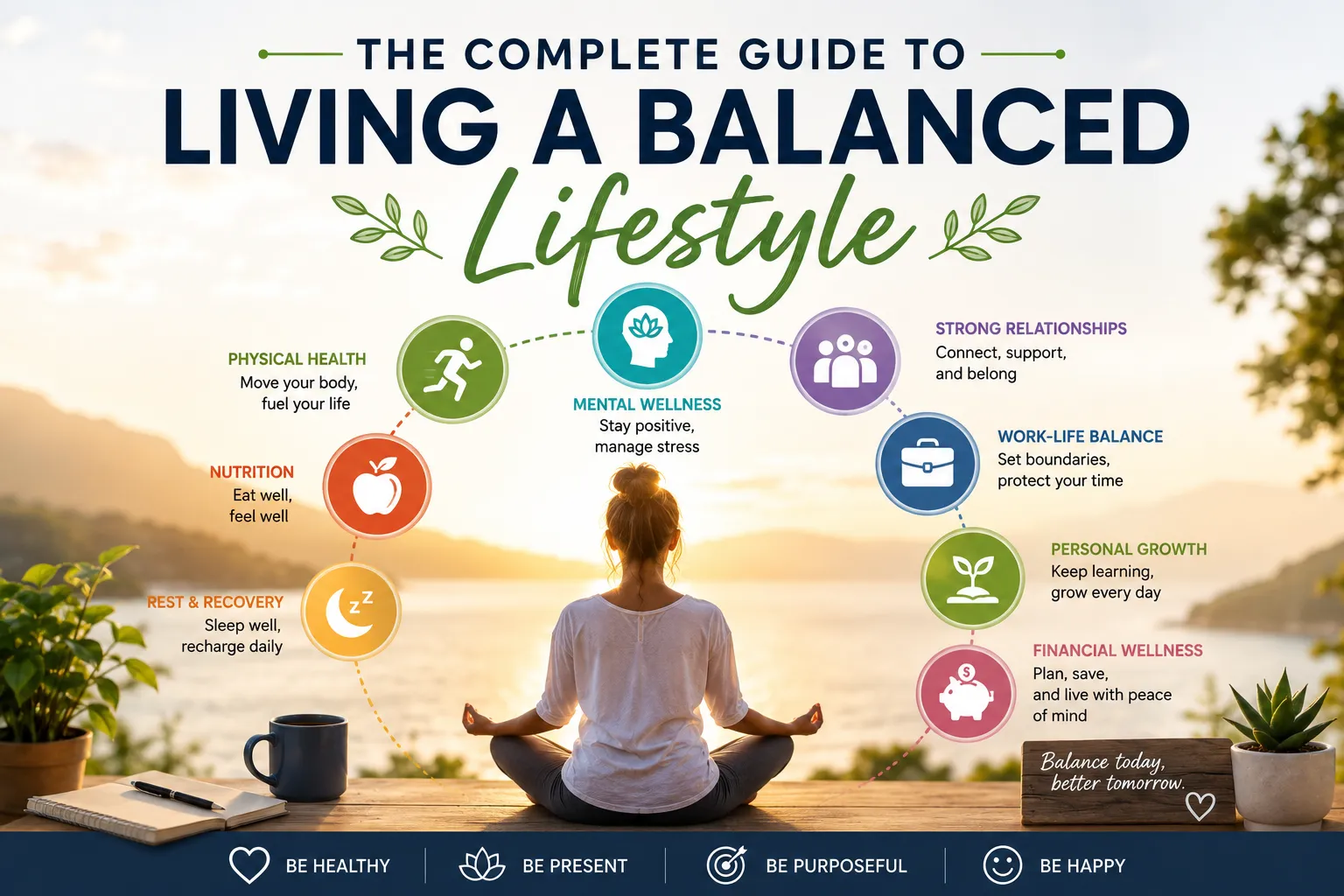
The Complete Guide to Living a Balanced Lifestyle
Living a balanced lifestyle is about creating harmony between the different areas of life that contribute to overall well-being. Good health isn’t determined by a single habit—it results from the combination of physical health, mental wellness, meaningful relationships, financial stability, personal growth, and time for rest and recreation.
In today’s fast-paced world, it’s easy to become overwhelmed by work, technology, and daily responsibilities. However, small, consistent lifestyle choices can make a significant difference in long-term happiness, productivity, and health.
This guide explores the essential pillars of a balanced lifestyle and offers practical strategies for creating sustainable habits that support both personal and professional success.
What Is a Balanced Lifestyle?
A balanced lifestyle means giving appropriate attention to the various aspects of life without allowing one area to consistently dominate the others.
It typically includes:
- Physical health
- Mental well-being
- Emotional resilience
- Healthy relationships
- Career satisfaction
- Financial wellness
- Personal development
- Recreation and leisure
For a broader look at how people can intentionally shape their routines, priorities, surroundings, and everyday choices, the complete guide to lifestyle design and personal living provides a useful companion to these principles.
Balance doesn’t mean every day is perfectly equal—it means making intentional choices that support long-term well-being.
Why Balance Matters
A balanced lifestyle offers benefits that extend into nearly every area of life.
Potential advantages include:
- Better physical health
- Reduced stress
- Improved focus
- Higher energy levels
- Greater life satisfaction
- Better relationships
- Increased productivity
- Improved resilience during challenges
Healthy balance helps people thrive rather than simply cope.
Prioritize Physical Health
Physical wellness provides the foundation for overall health.
Healthy habits include:
- Regular exercise
- Nutritious eating
- Adequate hydration
- Quality sleep
- Preventive healthcare
- Avoiding tobacco
- Limiting excessive alcohol consumption
Taking care of the body supports both mental and emotional well-being.
Eat a Balanced Diet
Nutrition influences energy, mood, and long-term health.
Aim to include:
- Fruits
- Vegetables
- Whole grains
- Lean proteins
- Healthy fats
- Dairy or alternatives
- Plenty of water
Rather than pursuing restrictive diets, focus on sustainable eating habits that can be maintained over time.
Stay Physically Active
Regular movement benefits both body and mind.
Activities may include:
- Walking
- Cycling
- Swimming
- Strength training
- Yoga
- Dancing
- Hiking
- Recreational sports
Even moderate daily activity contributes to overall wellness.
Get Enough Sleep
Sleep is essential for recovery and performance.
Healthy sleep habits include:
- Maintaining a consistent bedtime
- Reducing screen time before bed
- Keeping the bedroom cool and quiet
- Limiting caffeine late in the day
- Following a relaxing nighttime routine
Quality sleep supports memory, mood, immunity, and productivity.
Care for Your Mental Health
Mental well-being deserves the same attention as physical health.
Healthy practices include:
- Practicing mindfulness
- Managing stress
- Seeking support when needed
- Maintaining social connections
- Taking regular breaks
- Setting realistic expectations
Mental wellness is an ongoing process rather than a destination.
Build Emotional Resilience
Life inevitably includes setbacks and uncertainty.
Resilience can be strengthened by:
- Practicing gratitude
- Learning from mistakes
- Accepting change
- Maintaining optimism
- Developing problem-solving skills
- Seeking support during difficult times
Resilient people adapt more effectively to life’s challenges.
Manage Stress Effectively
Stress cannot always be avoided, but it can be managed.
Helpful techniques include:
- Deep breathing
- Meditation
- Exercise
- Journaling
- Spending time outdoors
- Reading
- Listening to music
- Creative hobbies
Finding healthy coping strategies improves overall well-being.
Maintain Strong Relationships
Healthy relationships contribute significantly to life satisfaction.
Invest time in:
- Family
- Friends
- Romantic partners
- Colleagues
- Community groups
Strong communication, mutual respect, and empathy help build lasting connections. For a more detailed look at this area of balanced living, see the complete guide to healthy relationships and social life.
Strong social connections can also be developed through everyday habits and intentional communication. The guide on building and maintaining healthy friendships and social connections explores practical ways to strengthen those relationships.
For people who find social situations challenging, developing everyday social confidence can also make communication and participation in social life easier.
Achieve Work-Life Balance
Professional success should not come at the expense of personal well-being.
Healthy work habits include:
- Setting boundaries
- Taking regular breaks
- Prioritizing important tasks
- Using vacation time
- Disconnecting after work
- Making time for hobbies
Balance improves both productivity and quality of life.
The work-life balance guide provides a more focused look at managing professional responsibilities while preserving time and energy for life outside work.
Good time management is another important part of maintaining those boundaries. The time management guide explores ways to organize responsibilities and make better use of available time.
Practice Financial Wellness
Financial health reduces unnecessary stress and supports long-term goals.
Good habits include:
- Creating a budget
- Building an emergency fund
- Saving consistently
- Managing debt responsibly
- Planning for retirement
- Making informed spending decisions
Financial wellness contributes to greater peace of mind.
A dedicated financial wellness guide can help put these principles into a broader framework for managing money as part of a balanced life.
Continue Learning
Personal growth keeps life interesting and rewarding.
Ways to continue learning include:
- Reading books
- Taking online courses
- Learning new skills
- Attending workshops
- Listening to educational podcasts
- Exploring new hobbies
Lifelong learning supports confidence and adaptability.
Personal growth can take many forms, from acquiring practical skills to exploring new areas of knowledge. The guide to how personal development works and how people build meaningful skills examines this process in greater depth.
Creativity and independent learning can also make personal growth more engaging. Exploring creativity, independent learning, and meaningful personal interests can help people build a lifestyle around curiosity and continued development.
Spend Time Outdoors
Nature offers numerous physical and psychological benefits.
Outdoor activities may include:
- Walking in parks
- Gardening
- Hiking
- Cycling
- Birdwatching
- Visiting beaches or forests
Time in nature often promotes relaxation and reduces stress.
Limit Digital Overload
Technology provides many benefits, but constant connectivity can become overwhelming.
Healthy digital habits include:
- Limiting unnecessary notifications
- Scheduling screen-free time
- Reducing social media use
- Practicing mindful technology use
- Prioritizing face-to-face interactions
Digital balance supports better focus and healthier relationships.
Make Time for Hobbies
Recreation plays an important role in overall well-being.
Popular hobbies include:
- Cooking
- Photography
- Music
- Painting
- Sports
- Reading
- Crafting
- Volunteering
Hobbies provide enjoyment while reducing stress.
For people looking to explore recreation more intentionally, the complete guide to hobbies and leisure covers different ways to make leisure a meaningful part of everyday life.
Leisure does not have to be complicated or expensive. Understanding how leisure and recreation improve everyday living can help put rest, enjoyment, and recreation into perspective.
Practice Gratitude
Regular gratitude helps shift attention toward positive experiences.
Simple ideas include:
- Keeping a gratitude journal
- Thanking others
- Reflecting on daily successes
- Celebrating small achievements
Gratitude encourages a more positive perspective over time.
Set Meaningful Goals
Goals provide direction and motivation.
Effective goals are:
- Specific
- Realistic
- Measurable
- Flexible
- Personally meaningful
Reviewing goals regularly helps maintain progress while adapting to changing circumstances.
People can make this process more intentional by learning how to set meaningful personal goals.
Goals are often easier to achieve when they reflect personal priorities rather than external expectations. Identifying personal values and using them to make better life decisions can therefore provide an important foundation for deciding what goals are genuinely meaningful.
Prevent Burnout
Burnout often develops when stress remains unmanaged for extended periods.
Protect yourself by:
- Taking regular breaks
- Saying no when necessary
- Prioritizing rest
- Delegating responsibilities
- Seeking support early
Preventing burnout supports long-term productivity and well-being.
Sustainable Lifestyle Habits
Healthy routines are easier to maintain when they are realistic.
Focus on:
- Small daily improvements
- Consistency over perfection
- Long-term habits
- Gradual change
- Self-compassion
Sustainable progress is more effective than short-term extremes.
The Role of Technology
Modern technology can support healthy living when used intentionally.
Helpful tools include:
- Fitness trackers
- Meditation apps
- Budgeting software
- Meal planning apps
- Digital calendars
- Habit tracking apps
Technology works best when it supports—not replaces—healthy routines.
Productivity tools can be particularly useful when they help people organize responsibilities without allowing work to consume their lives. The complete guide to productivity explores the broader principles behind effective and sustainable productivity.
Common Myths About Balance
Myth: A balanced lifestyle means every day looks the same.
Reality: Balance changes depending on life’s demands and priorities.
Myth: You need to be perfect.
Reality: Progress and consistency matter far more than perfection.
Myth: Self-care is selfish.
Reality: Taking care of yourself allows you to better care for others and meet your responsibilities.
Looking Ahead
Living a balanced lifestyle isn’t about achieving perfection or following rigid routines. Instead, it’s about making thoughtful choices that support your physical health, emotional well-being, relationships, finances, and personal goals over time.
For some people, simplifying their environment can make those choices easier to sustain. A minimalist living guide offers practical ideas for reducing unnecessary complexity, while understanding what minimalism and simpler living mean provides broader context for the philosophy behind a less complicated lifestyle.
By focusing on sustainable habits rather than quick fixes, you can create a lifestyle that is healthier, more productive, and more fulfilling. Small daily improvements often lead to the greatest long-term results, helping you build a life that feels both successful and meaningful.
Frequently Asked Questions
What is a balanced lifestyle?
A balanced lifestyle is one that supports physical health, mental wellness, meaningful relationships, financial stability, and personal fulfillment without allowing one area to consistently overwhelm the others.
Why is balance important?
Maintaining balance can improve health, reduce stress, increase productivity, strengthen relationships, and enhance overall quality of life.
How can I start living a more balanced life?
Begin by focusing on healthy habits such as regular exercise, nutritious eating, quality sleep, stress management, financial planning, and setting realistic goals.
Is work-life balance possible?
While perfect balance may not always be achievable, setting boundaries, managing time effectively, and prioritizing personal well-being can help create a healthier balance.
What role does self-care play?
Self-care supports physical and mental health, helping individuals maintain energy, resilience, and the ability to manage everyday responsibilities.
Key Takeaways
- A balanced lifestyle combines physical health, mental wellness, relationships, finances, and personal growth.
- Small, consistent habits often have the greatest long-term impact.
- Nutrition, exercise, sleep, and stress management form the foundation of overall well-being.
- Healthy relationships, meaningful goals, and lifelong learning contribute to a fulfilling life.
- Technology should support—not dominate—daily routines.
- Balance is an ongoing journey that evolves with changing priorities and life circumstances.