The Ultimate Guide to Work-Life Balance
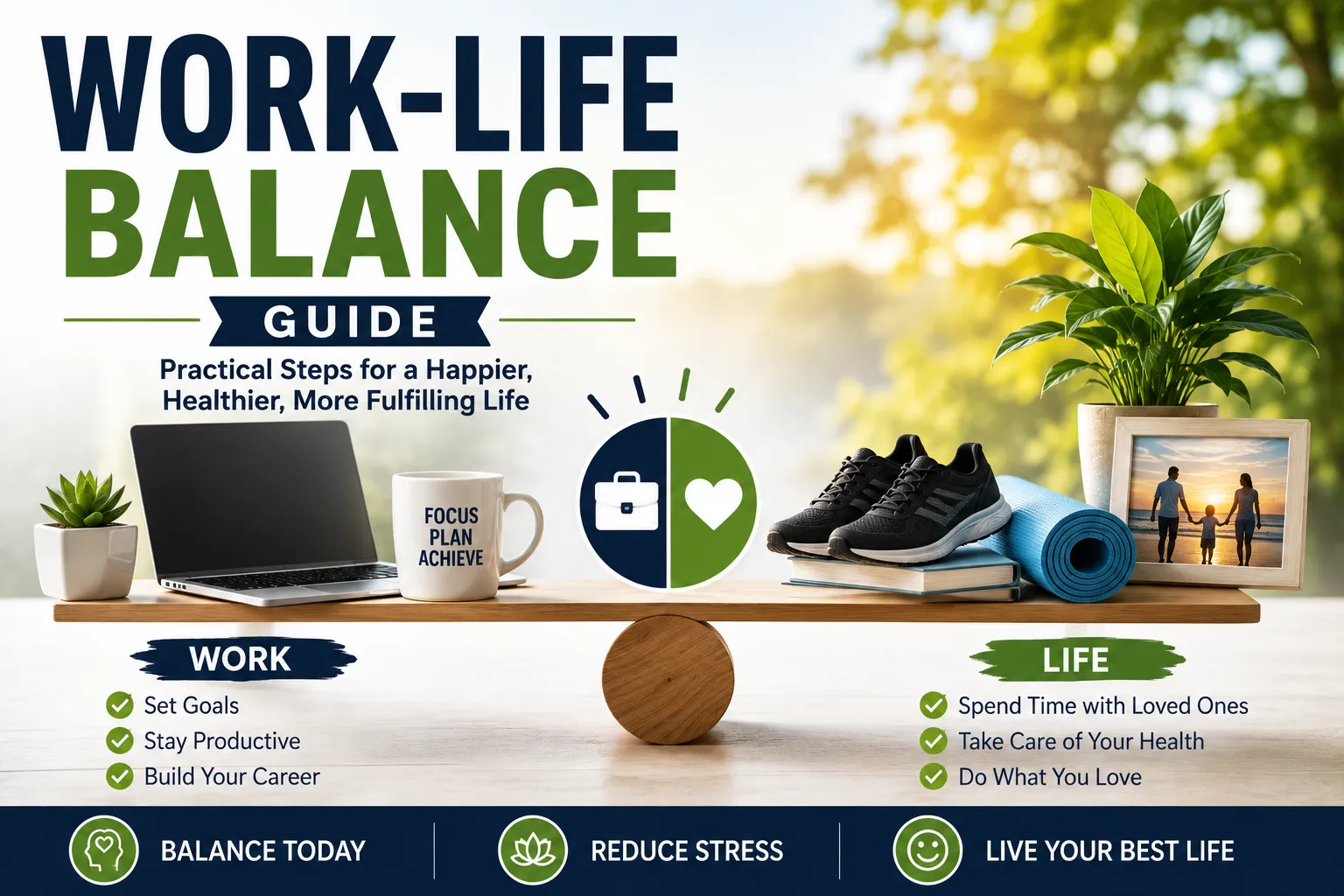
Work-Life Balance Guide
Achieving a healthy work-life balance has become one of the biggest challenges in today’s fast-paced world. Advances in technology have made it easier to work from anywhere, but they have also blurred the boundaries between professional responsibilities and personal time. As a result, many people struggle to disconnect from work, leading to increased stress, burnout, and reduced overall well-being.
A balanced lifestyle doesn’t mean splitting time equally between work and personal life every day. Instead, it involves creating a sustainable routine that allows you to meet professional goals while maintaining your physical health, mental wellness, relationships, and personal interests. This broader approach is part of living a balanced lifestyle, where different areas of life work together rather than competing for every available hour.
This guide explores what work-life balance means, why it matters, common challenges, and practical strategies for building a healthier, more fulfilling lifestyle.
What Is Work-Life Balance?
Work-life balance refers to the ability to effectively manage work responsibilities alongside personal commitments, leisure activities, family life, and self-care.
A balanced lifestyle typically allows individuals to:
- Meet career responsibilities
- Spend quality time with loved ones
- Prioritize physical health
- Support mental well-being
- Pursue hobbies and interests
- Get sufficient rest
- Continue personal growth
The ideal balance varies depending on individual goals, career stage, and family circumstances.
Why Work-Life Balance Matters
Maintaining balance benefits both employees and employers.
Potential advantages include:
- Reduced stress
- Improved mental health
- Better physical health
- Higher productivity
- Increased job satisfaction
- Stronger relationships
- Better sleep quality
- Lower risk of burnout
When people feel balanced, they often have greater focus, creativity, and resilience.
Signs Your Balance May Be Off
It’s common for work demands to fluctuate, but persistent imbalance can affect overall well-being.
Possible warning signs include:
- Constant fatigue
- Difficulty relaxing
- Feeling overwhelmed
- Missing family or social events
- Reduced motivation
- Trouble sleeping
- Frequent irritability
- Declining physical health
Recognizing these signs early makes it easier to make positive adjustments.
Common Causes of Poor Work-Life Balance
Several factors can contribute to imbalance.
These may include:
- Long working hours
- Heavy workloads
- Remote work boundaries
- Constant digital connectivity
- Caregiving responsibilities
- Financial pressures
- Unrealistic expectations
- Poor time management
Understanding the underlying causes is the first step toward creating healthier routines.
Set Clear Boundaries
Healthy boundaries help separate professional responsibilities from personal life.
Consider:
- Establishing regular work hours
- Creating a dedicated workspace
- Avoiding work emails after hours when possible
- Communicating availability clearly
- Scheduling personal time
Consistent boundaries make it easier to fully engage in both work and home life.
Prioritize Your Time
Not every task requires immediate attention.
Helpful strategies include:
- Identifying high-priority work
- Breaking large projects into smaller steps
- Using daily task lists
- Setting realistic goals
- Eliminating unnecessary distractions
Focusing on what matters most helps reduce stress and improve efficiency. Developing a consistent time management system can make these priorities easier to translate into practical daily routines.
Learn to Say No
Taking on too many commitments can quickly lead to burnout.
When appropriate:
- Decline unnecessary meetings
- Delegate responsibilities
- Avoid overcommitting
- Set realistic expectations
- Protect personal time
Respecting your own limits is an important part of maintaining balance.
Take Regular Breaks
Short breaks throughout the day support both productivity and well-being.
Ideas include:
- Stretching
- Walking
- Drinking water
- Stepping outside
- Practicing deep breathing
- Taking lunch away from your desk
Even brief pauses can improve concentration and reduce mental fatigue.
Protect Your Physical Health
Physical wellness supports better performance at work and greater enjoyment outside of it.
Healthy habits include:
- Regular exercise
- Nutritious meals
- Adequate hydration
- Quality sleep
- Routine medical checkups
Small daily habits often have the greatest long-term impact.
Support Your Mental Well-Being
Mental health is an essential part of a balanced lifestyle.
Helpful practices include:
- Mindfulness
- Meditation
- Journaling
- Talking with trusted friends
- Spending time outdoors
- Seeking professional support when needed
Managing stress proactively helps prevent long-term exhaustion.
Make Time for Relationships
Strong personal relationships contribute significantly to happiness and resilience.
Prioritize time with:
- Family
- Friends
- Partners
- Children
- Community groups
Meaningful social connections help reduce stress and improve overall quality of life. For a deeper look at the role relationships play in everyday well-being, explore this guide to healthy relationships and social life.
Pursue Personal Interests
Hobbies provide opportunities to relax, learn, and recharge.
Examples include:
- Reading
- Gardening
- Cooking
- Photography
- Music
- Painting
- Hiking
- Volunteering
Engaging in enjoyable activities outside work helps create a more balanced lifestyle. Exploring hobbies and leisure activities can also make it easier to identify enjoyable ways to use your personal time.
Manage Technology Wisely
Technology can improve productivity, but it can also make it difficult to disconnect.
Healthy digital habits include:
- Turning off nonessential notifications
- Limiting screen time before bed
- Scheduling device-free periods
- Separating work and personal devices when possible
Being intentional with technology supports healthier boundaries.
Work-Life Balance for Remote Workers
Remote work offers flexibility but also presents unique challenges.
Helpful strategies include:
- Maintaining consistent working hours
- Creating a dedicated workspace
- Dressing for work
- Taking scheduled breaks
- Ending the workday intentionally
These habits help create a clear distinction between work and home life.
The Role of Employers
Organizations can also promote healthier work-life balance by encouraging:
- Flexible work arrangements
- Reasonable workloads
- Wellness programs
- Mental health resources
- Paid time off
- Open communication
- Supportive leadership
Healthy workplaces benefit both employees and businesses.
Common Myths
Myth: Work-Life Balance Means Working Less
Balance focuses on managing priorities effectively, not simply reducing work hours.
Myth: Balance Looks the Same for Everyone
Each person’s ideal balance depends on their goals, responsibilities, and lifestyle.
Myth: Being Busy Means Being Productive
Long hours do not always lead to better results. Rest and recovery often improve performance.
Myth: Self-Care Is Selfish
Taking care of your physical and mental health helps you perform better in every area of life.
Tips for Improving Work-Life Balance
Simple habits can make a significant difference:
- Plan your week in advance.
- Set realistic daily goals.
- Schedule regular exercise.
- Prioritize quality sleep.
- Take breaks throughout the day.
- Protect personal time.
- Learn to delegate when possible.
- Spend time with loved ones.
- Practice stress management techniques.
- Regularly evaluate your priorities.
Consistency is more valuable than perfection.
Looking Ahead
The future of work is expected to place greater emphasis on flexibility, employee well-being, hybrid work models, and digital wellness. Organizations increasingly recognize that supporting work-life balance can improve employee satisfaction, productivity, retention, and long-term performance.
At the same time, individuals will continue to play a key role by developing healthy habits, setting boundaries, and making intentional choices about how they spend their time and energy.
Building a Sustainable Balance
Work-life balance is not about achieving perfect equality between work and personal life every day. Instead, it is about creating a sustainable lifestyle that supports professional success while leaving room for health, relationships, personal growth, and relaxation.
By setting boundaries, managing time wisely, prioritizing well-being, and making space for the people and activities that matter most, individuals can reduce stress, improve resilience, and build a healthier, more rewarding life—both inside and outside the workplace.