The Ultimate Guide To Soil Health
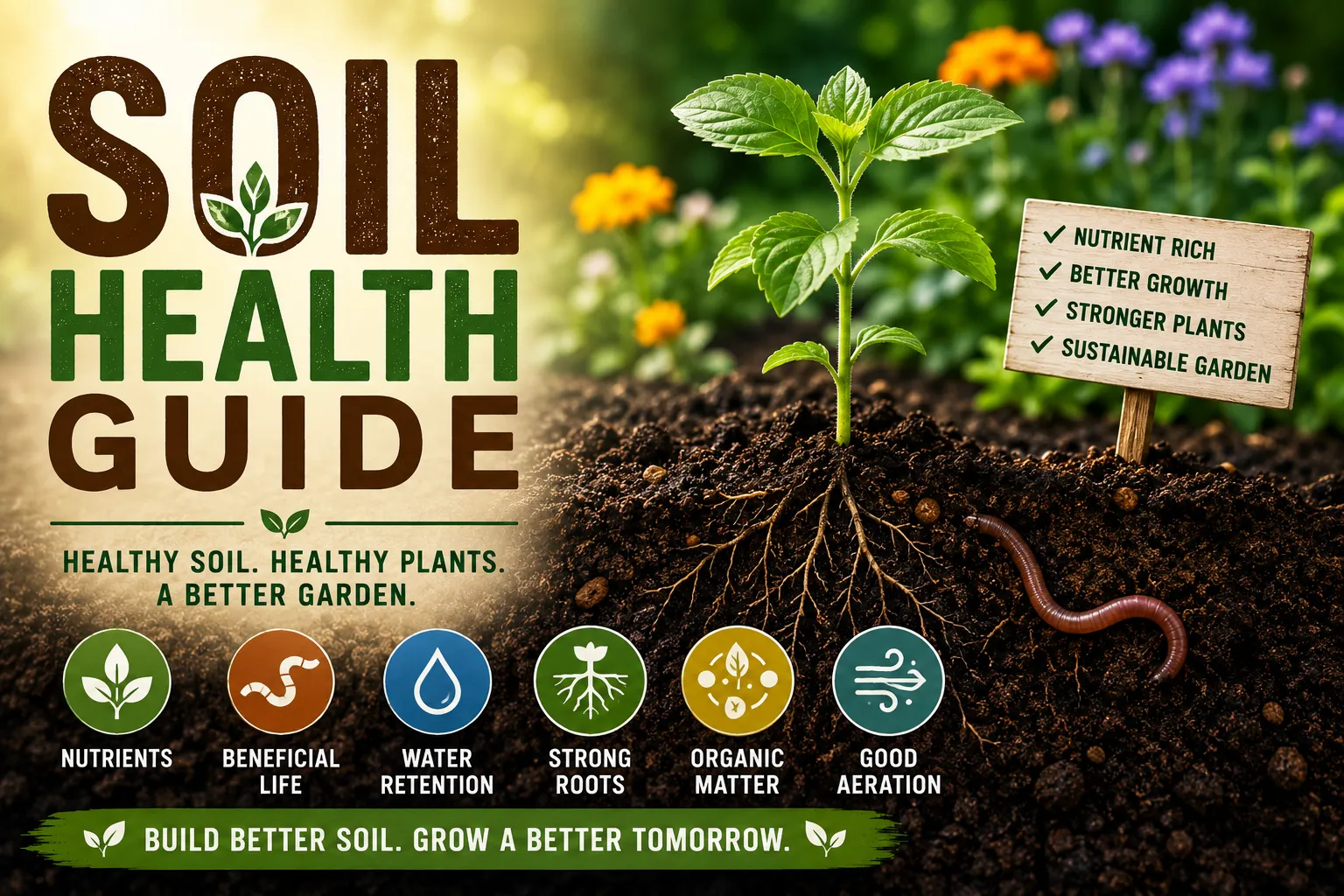
Soil Health Guide
Healthy gardens begin beneath the surface. While vibrant flowers, productive vegetable beds, and lush lawns often receive the most attention, it is healthy soil that provides the foundation for every successful garden. Soil supplies plants with nutrients, water, oxygen, and physical support, making it one of the most valuable resources for gardeners.
As interest in sustainable gardening continues to grow, homeowners and landscape professionals are increasingly focusing on improving soil rather than relying solely on fertilizers. Building healthy soil can increase plant resilience, improve water efficiency, encourage beneficial organisms, and create gardens that thrive year after year.
This guide explains what healthy soil is, why it matters, and how you can naturally improve your garden’s growing conditions.
For a broader look at growing and maintaining healthy garden spaces, explore the Complete Guide to Flower Gardening.
What Is Soil Health?
Soil health refers to the soil’s ability to function as a living ecosystem that supports healthy plant growth while maintaining environmental balance.
Healthy soil typically provides:
- Essential nutrients
- Adequate drainage
- Moisture retention
- Good aeration
- Beneficial microorganisms
- Strong root support
Unlike dirt, healthy soil is alive with countless organisms that contribute to plant growth.
Why Healthy Soil Matters
Good soil benefits both plants and the environment.
Healthy soil helps:
- Support stronger root systems
- Improve plant growth
- Increase water retention
- Reduce erosion
- Encourage beneficial insects
- Promote biodiversity
- Improve nutrient availability
- Reduce the need for excessive fertilizers
Healthy soil creates stronger, more resilient gardens over time.
The Four Main Components of Soil
Garden soil consists of several essential components.
Mineral Particles
Minerals make up most of the soil and include:
- Sand
- Silt
- Clay
Different proportions create different soil types.
Organic Matter
Organic matter comes from decomposed plants and other natural materials.
It helps:
- Improve soil structure
- Increase nutrient availability
- Feed beneficial organisms
- Enhance moisture retention
Healthy soils generally contain a balanced amount of organic material.
Water
Water dissolves nutrients and transports them to plant roots.
Proper moisture balance is essential because both overly dry and waterlogged soil can affect plant health.
For more guidance on maintaining the right moisture levels, see the Complete Guide to Watering Garden Plants Correctly.
Air
Plant roots require oxygen to survive.
Well-aerated soil allows air to circulate while supporting healthy microbial activity.
Understanding Soil Types
Different soil types behave differently.
Sandy Soil
Characteristics:
- Drains quickly
- Warms rapidly
- Holds fewer nutrients
- Requires more frequent watering
Clay Soil
Characteristics:
- Holds water well
- Rich in nutrients
- Drains slowly
- Can become compacted
Silty Soil
Characteristics:
- Smooth texture
- Good moisture retention
- Fertile
- Easy to cultivate
Loamy Soil
Often considered ideal for gardening, loamy soil contains a balanced mixture of sand, silt, clay, and organic matter.
Benefits include:
- Good drainage
- Excellent nutrient retention
- Strong root support
- Easy cultivation
The Importance of Organic Matter
Organic matter is one of the most valuable ingredients in healthy soil.
Sources include:
- Compost
- Leaf mold
- Grass clippings
- Aged manure
- Shredded leaves
Adding organic material regularly helps improve nearly every soil type.
Compost: Nature’s Soil Builder
Compost is decomposed organic material that enriches garden soil naturally.
Common compost ingredients include:
- Fruit scraps
- Vegetable peels
- Coffee grounds
- Eggshells
- Dry leaves
- Grass clippings
- Small garden trimmings
Finished compost improves soil structure while recycling household and garden waste.
For practical guidance on making and applying compost, see How to Make Compost and Use It Effectively in a Garden.
Soil Nutrients
Plants require a variety of nutrients for healthy growth.
Primary nutrients include:
- Nitrogen (N)
- Phosphorus (P)
- Potassium (K)
Plants also need smaller amounts of:
- Calcium
- Magnesium
- Sulfur
- Iron
- Zinc
- Copper
- Manganese
Balanced nutrition supports healthy leaves, roots, flowers, and fruit production.
The Complete Guide to Garden Fertilizers and Plant Nutrition provides more information about plant nutrients and responsible fertilization.
Why Soil Testing Is Important
Testing your soil helps identify its condition before adding fertilizers or amendments.
A soil test may measure:
- pH level
- Nutrient levels
- Organic matter
- Soil texture
Knowing your soil’s characteristics helps you make more informed gardening decisions.
Understanding Soil pH
Soil pH measures acidity or alkalinity.
Most garden plants grow well in slightly acidic to neutral soil, although individual species have different preferences.
Adjustments should only be made when appropriate and based on soil test results.
Beneficial Soil Organisms
Healthy soil contains countless living organisms.
Examples include:
- Earthworms
- Bacteria
- Fungi
- Nematodes
- Arthropods
These organisms help:
- Break down organic matter
- Recycle nutrients
- Improve soil structure
- Support plant roots
A thriving soil ecosystem contributes to healthier gardens.
Preventing Soil Compaction
Compacted soil limits root growth and reduces air movement.
Ways to reduce compaction include:
- Avoid walking on planting beds
- Use garden paths
- Add compost regularly
- Avoid working wet soil
- Grow deep-rooted plants
Loose, well-structured soil promotes healthier root development.
Mulching for Better Soil
Mulch protects the soil surface while improving long-term soil health.
Organic mulch options include:
- Wood chips
- Straw
- Bark
- Shredded leaves
- Pine needles
Benefits include:
- Moisture conservation
- Weed suppression
- Reduced erosion
- Temperature regulation
- Gradual addition of organic matter
Watering Wisely
Healthy soil and proper watering work together.
Good watering practices include:
- Watering deeply rather than frequently
- Watering early in the day
- Avoiding unnecessary runoff
- Monitoring soil moisture
Healthy soil retains water more efficiently than poor-quality soil.
Crop Rotation and Soil Health
For vegetable gardens, rotating crops each season can help:
- Reduce pest buildup
- Lower disease risk
- Improve nutrient balance
- Support healthier soils
Different plant families use nutrients differently, making rotation a valuable gardening practice.
Sustainable Soil Care
Environmentally friendly gardening practices support long-term soil health.
Examples include:
- Composting kitchen waste
- Reducing synthetic chemical use
- Planting cover crops
- Encouraging biodiversity
- Conserving water
- Protecting beneficial insects
Healthy soil supports healthier ecosystems.
Common Soil Mistakes
Avoid these common gardening errors:
- Overwatering
- Excessive fertilizer use
- Ignoring soil testing
- Removing all organic debris
- Walking on planting beds
- Leaving bare soil exposed
Small changes can greatly improve long-term soil quality.
The Future of Soil Health
Modern gardening increasingly combines traditional knowledge with new technology.
Emerging innovations include:
- Smart soil moisture sensors
- Precision irrigation systems
- AI-powered garden monitoring
- Regenerative gardening practices
- Climate-resilient landscaping
- Sustainable composting methods
Technology can complement—not replace—the fundamentals of healthy soil management.
Building Better Soil Over Time
Healthy soil is one of the greatest investments any gardener can make. By improving soil structure, adding organic matter, encouraging beneficial organisms, and practicing sustainable gardening techniques, homeowners can create landscapes that require fewer inputs while producing healthier plants.
Whether you’re growing vegetables, flowers, shrubs, or trees, focusing on soil health lays the groundwork for a more productive, resilient, and environmentally friendly garden for years to come.
Frequently Asked Questions
What is healthy soil?
Healthy soil is a living ecosystem that provides plants with nutrients, water, oxygen, and physical support while sustaining beneficial microorganisms.
Why is compost important?
Compost adds organic matter, improves soil structure, enhances water retention, and provides nutrients that support healthy plant growth.
Should I test my garden soil?
Yes. Soil testing helps identify nutrient levels, pH, and other characteristics, allowing gardeners to make informed decisions about soil amendments.
What is the best soil for gardening?
Loamy soil, which contains a balanced mixture of sand, silt, clay, and organic matter, is generally considered ideal for many garden plants.
How can I improve poor soil naturally?
Adding compost, using mulch, reducing soil compaction, rotating crops, planting cover crops, and maintaining healthy watering practices are all effective natural methods.
Key Takeaways
- Healthy soil forms the foundation of productive gardens.
- Organic matter, compost, and beneficial microorganisms improve soil quality.
- Soil testing helps gardeners understand nutrient levels and pH.
- Mulching, crop rotation, and proper watering support long-term soil health.
- Sustainable gardening practices benefit both plants and the environment.
- Building healthy soil is a gradual process that creates stronger, healthier gardens.