Interior Designers Move Away from Perfect Showrooms Toward More Personal Homes
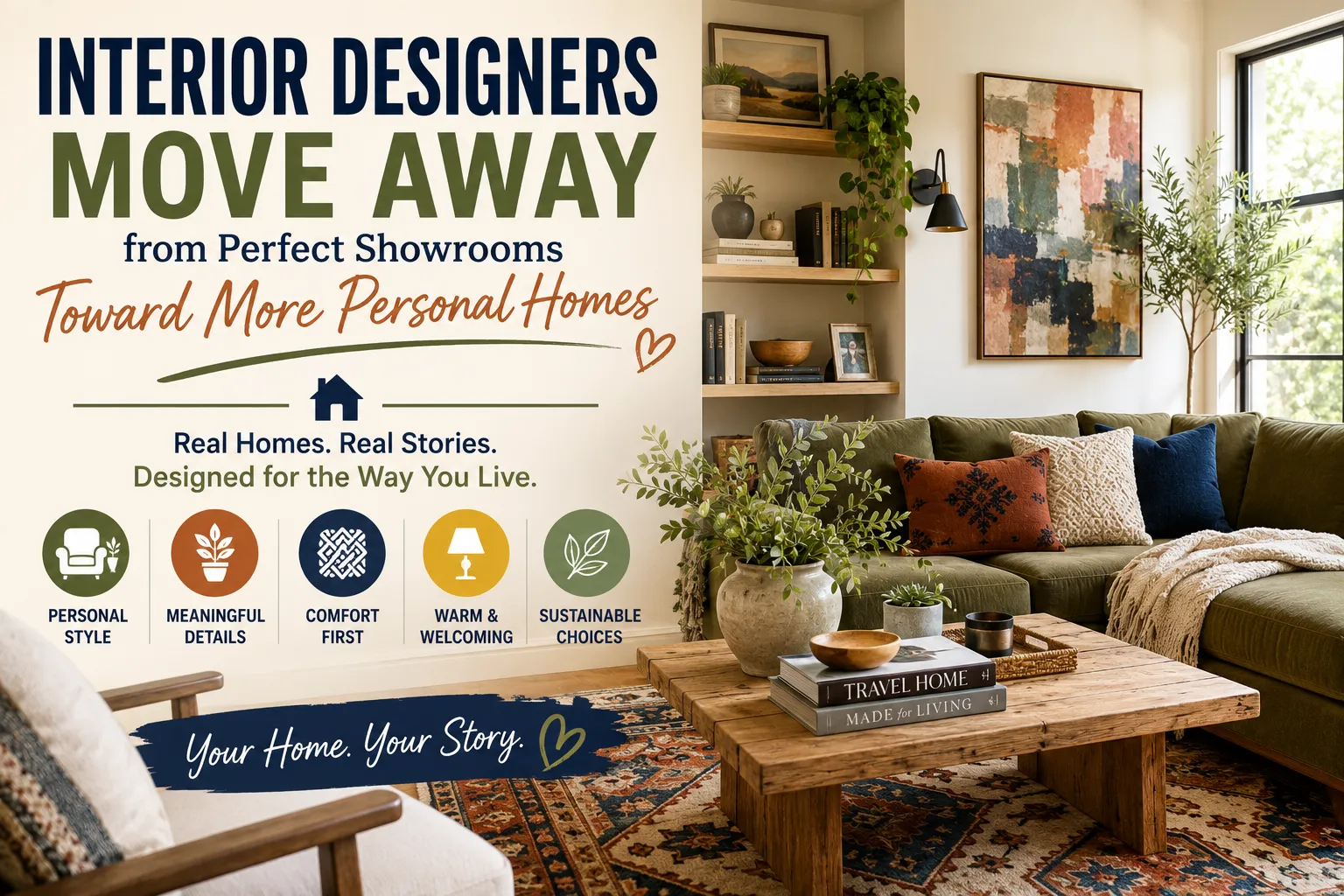
Interior Designers Move Away from Perfect Showrooms Toward More Personal Homes
For years, many interior design trends emphasized picture-perfect spaces with carefully coordinated furniture, neutral color palettes, and minimal personal touches. While these showroom-inspired interiors dominated magazines and social media, many homeowners found them difficult to maintain and disconnected from everyday life. Today, a noticeable shift is taking place as designers embrace homes that prioritize personality, comfort, and authenticity over perfection.
Rather than creating spaces that resemble furniture catalogs, interior designers are increasingly encouraging homeowners to incorporate meaningful collections, vintage finds, handcrafted pieces, bold colors, and layouts that reflect their lifestyles. The growing focus is on designing homes that tell a story—one that evolves naturally over time instead of following rigid decorating rules.
This article explores why personalized interiors are becoming increasingly popular, the design principles behind the movement, and how homeowners can create spaces that feel both stylish and uniquely their own.
A Shift Away from “Perfect”
Minimalist showroom aesthetics remain popular in some settings, but many homeowners now prefer interiors that feel lived-in rather than staged.
Designers are increasingly emphasizing:
- Comfort
- Individuality
- Functionality
- Warmth
- Character
- Flexibility
- Sustainability
- Timeless design
The goal is to create homes that support daily living instead of simply looking perfect in photographs.
This shift is closely connected to the broader move toward layered comfort in modern interior design, where warmth, texture, personality, and livability take precedence over overly controlled spaces.
Personal Stories Shape Design
Many homeowners now want interiors that reflect their experiences rather than current trends.
Personal design elements may include:
- Family photographs
- Travel souvenirs
- Handmade artwork
- Vintage furniture
- Heirloom pieces
- Favorite books
- Personal collections
- Meaningful décor
These details help create spaces with emotional value that cannot be replicated through mass-produced furnishings.
Mixing Design Styles
Interior designers are increasingly combining multiple styles instead of following one strict aesthetic.
Popular combinations include:
- Modern and vintage
- Scandinavian and rustic
- Industrial and traditional
- Contemporary and classic
- Minimalist and eclectic
- Natural and modern
- Farmhouse and urban
- Mid-century and organic
Mixing styles often creates interiors that feel layered, interesting, and timeless.
The return of older influences is also visible in the renewed interest in 1980s interior style, where designers are reinterpreting recognizable elements rather than simply recreating the past.
Comfort Becomes a Priority
Functionality is becoming just as important as appearance.
Comfort-focused design may feature:
- Deep seating
- Soft textiles
- Cozy reading corners
- Flexible furniture
- Warm lighting
- Layered fabrics
- Comfortable layouts
- Practical storage
Designers increasingly believe beautiful homes should also support everyday living.
Color Returns to Living Spaces
Neutral palettes remain popular, but homeowners are becoming more confident using color.
Common approaches include:
- Earth tones
- Deep greens
- Warm blues
- Terracotta
- Soft yellows
- Rich burgundy
- Natural wood finishes
- Accent walls
Rather than overwhelming a room, color is often used to create warmth and personality.
The growing preference for warmer palettes can also be seen in the continued popularity of warm earth tones in interior design, as designers look for colors that make interiors feel more grounded and welcoming.
Natural Materials Continue Growing
Organic materials help create welcoming interiors.
Frequently used materials include:
- Wood
- Stone
- Linen
- Cotton
- Wool
- Clay
- Bamboo
- Rattan
These materials add texture while creating stronger connections to nature.
Vintage and Secondhand Furniture
Older furniture continues gaining popularity as homeowners seek unique, high-quality pieces.
Benefits include:
- Individual character
- Sustainability
- Craftsmanship
- Cost savings
- Timeless appeal
- Reduced waste
- Historical value
- One-of-a-kind design
Mixing vintage pieces with modern furniture creates visual depth and personality.
Homes Designed for Everyday Life
Design decisions increasingly reflect how families actually use their homes.
Designers often prioritize:
- Multi-purpose rooms
- Flexible layouts
- Home offices
- Family gathering spaces
- Reading areas
- Organized storage
- Easy maintenance
- Pet-friendly solutions
Function-driven design allows homes to adapt as lifestyles change.
Texture Creates Warmth
Layering different textures helps rooms feel inviting.
Common design elements include:
- Woven baskets
- Area rugs
- Throw blankets
- Textured cushions
- Wood finishes
- Ceramic décor
- Natural fabrics
- Upholstered furniture
Texture often adds interest even when color palettes remain simple.
Sustainability Influences Design Choices
Environmental awareness continues shaping home design decisions.
Many homeowners now consider:
- Recycled materials
- Energy-efficient lighting
- Sustainable furniture
- Local craftsmanship
- Long-lasting products
- Low-VOC paints
- Reclaimed wood
- Responsible sourcing
Designers increasingly encourage buying fewer, higher-quality pieces that remain useful for many years.
Lighting Creates Atmosphere
Layered lighting plays an essential role in modern interiors.
Effective lighting plans often include:
- Ceiling lighting
- Table lamps
- Floor lamps
- Wall sconces
- Natural daylight
- Accent lighting
- Reading lights
- Dimmable fixtures
Different light sources help rooms feel more comfortable throughout the day.
Technology Blends Into Design
Smart home technology is becoming less visible within interior spaces.
Integrated features may include:
- Hidden speakers
- Smart lighting
- Automated blinds
- Wireless charging
- Climate controls
- Built-in outlets
- Voice assistants
- Energy monitoring
Designers increasingly conceal technology to maintain clean, uncluttered interiors.
Common Misconceptions About Interior Design
Several myths continue influencing decorating decisions.
Myth: Every Room Must Match
Homes often feel more authentic when individual rooms have their own character while sharing complementary design elements.
Myth: Expensive Furniture Creates Better Design
Thoughtful layouts, quality materials, and meaningful personal items often matter more than price.
Myth: Minimalism Means Removing Everything
Many minimalist-inspired homes still include artwork, books, plants, and sentimental belongings that contribute warmth and personality.
Myth: Trends Must Be Followed
Designers increasingly encourage homeowners to choose styles that suit their own preferences rather than chasing short-lived trends.
Tips for Creating a More Personal Home
Homeowners can add character by:
- Displaying meaningful artwork.
- Mixing old and new furniture.
- Incorporating natural materials.
- Adding indoor plants.
- Layering textures.
- Choosing colors they genuinely enjoy.
- Prioritizing comfort over perfection.
- Supporting local artisans.
- Keeping sentimental pieces.
- Designing rooms around daily routines.
Small, thoughtful choices often create the most welcoming spaces.
The Future of Interior Design
Interior design continues evolving toward more human-centered living spaces.
Emerging trends include:
- Personalized interiors
- Sustainable materials
- Flexible living spaces
- Biophilic design
- Smart home integration
- Circular furniture design
- Artisan craftsmanship
- Wellness-focused interiors
Rather than striving for flawless showrooms, future homes are expected to emphasize individuality, comfort, and long-term livability.
Why Personal Expression Is Shaping the Next Generation of Homes
Interior design is moving beyond perfectly staged spaces toward homes that celebrate individuality, comfort, and authentic living. By combining timeless materials, meaningful personal objects, functional layouts, and thoughtful design choices, homeowners are creating interiors that reflect who they are rather than simply following the latest decorating trends.
As this movement continues, the most successful interiors are likely to be those that balance beauty with practicality while allowing homes to evolve naturally alongside the people who live in them. Personal expression, sustainable choices, and everyday comfort are increasingly defining the future of residential design.