How to Identify and Prevent Common Safety Hazards Inside a Home
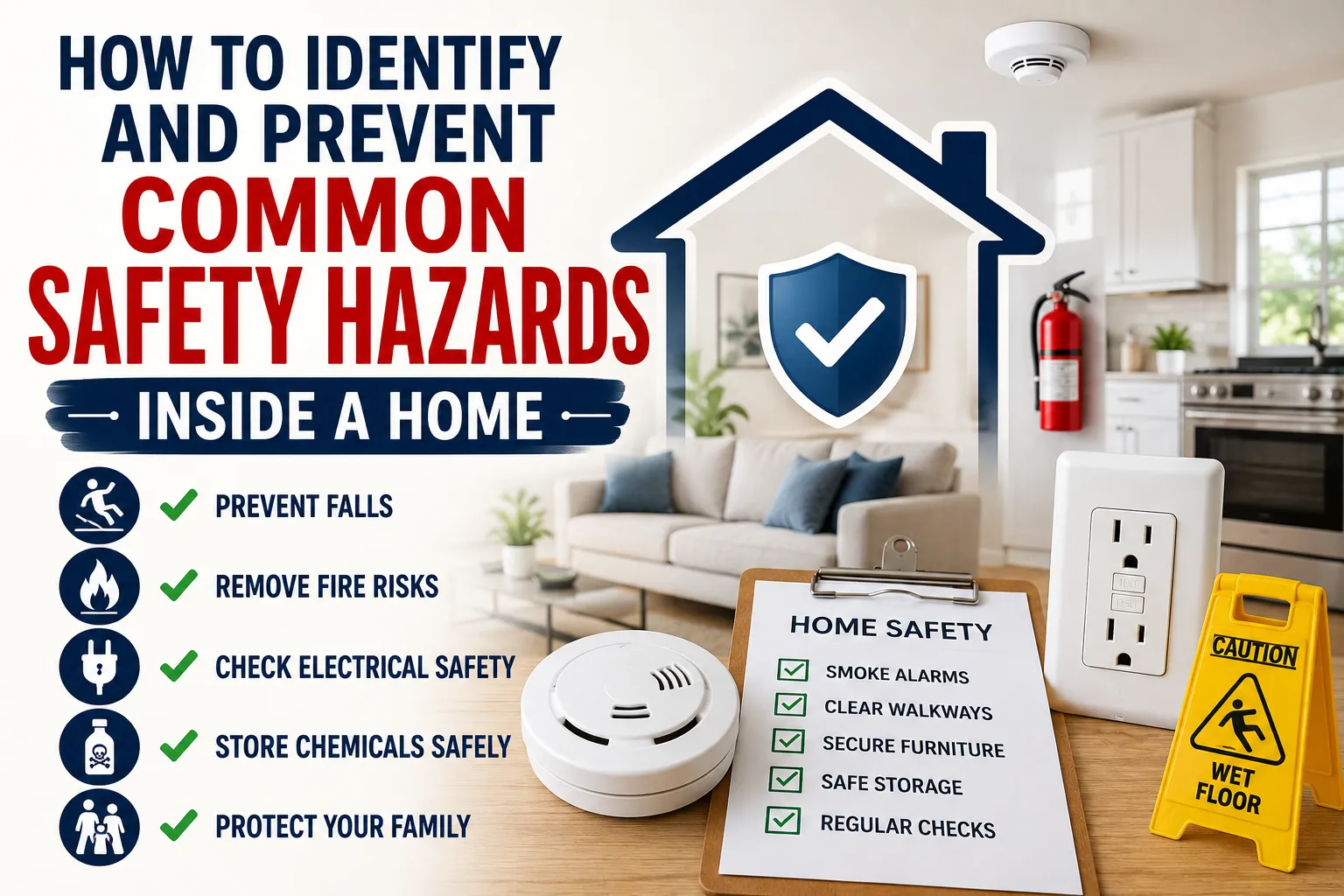
How to Identify and Prevent Common Safety Hazards Inside a Home
A home is supposed to be a place where people feel safe and comfortable, but everyday household environments can contain risks that are easy to overlook.
Loose rugs, overloaded outlets, slippery floors, poorly stored cleaning products and blocked escape routes may seem minor individually. Yet each can create an opportunity for injury, fire, poisoning or property damage.
The good news is that many household hazards can be identified through a simple inspection and addressed before they become serious problems. Regular maintenance, sensible organization and a few basic safety habits can significantly reduce preventable risks.
For a broader approach to keeping these issues under control, see this guide to home maintenance projects, which covers the wider range of maintenance tasks homeowners can use to protect their properties.
Why Home Safety Hazards Are Easy to Miss
People tend to become accustomed to their surroundings.
A loose handrail may have been that way for months. A power strip may have been overloaded for years. A hallway may have always contained a small pile of shoes.
Because these conditions become familiar, they can stop attracting attention.
A useful home safety inspection requires looking at the property from a different perspective. Instead of asking whether something is convenient, ask:
Could this cause someone to fall, burn themselves, start a fire, inhale something harmful or become trapped during an emergency?
That simple change in perspective can reveal problems that are otherwise easy to ignore.
Start With the Most Common Household Hazards
Some safety risks appear in homes more frequently than others.
Common hazards include:
- Slippery floors
- Loose rugs
- Cluttered walkways
- Poor lighting
- Damaged electrical cords
- Overloaded electrical outlets
- Unsecured furniture
- Hot surfaces
- Unattended cooking
- Improperly stored chemicals
- Blocked exits
- Missing or poorly maintained smoke alarms
- Water leaks
- Broken steps or handrails
A room-by-room inspection can make it easier to identify these problems systematically.
Understanding how the home’s major systems operate can also make safety inspections more effective. For additional background, see how major home systems work and what homeowners maintain.
Prevent Slips and Falls
Falls are among the most common household accidents.
They can happen in bathrooms, kitchens, stairways, bedrooms and hallways.
Look for:
- Wet floors
- Loose rugs
- Uneven flooring
- Clutter on stairs
- Cords crossing walkways
- Poorly secured mats
- Missing stair handrails
- Insufficient lighting
Make Walking Areas Clear
Keep frequently used pathways free of boxes, bags, shoes, toys and other objects.
This is especially important on stairs and in narrow hallways.
If something must remain in a walkway temporarily, move it as soon as possible rather than allowing it to become a permanent obstacle.
Secure Rugs
Rugs can move unexpectedly when someone steps on them.
Use appropriate non-slip pads or other methods designed to keep rugs securely in place.
Do not assume that a heavy rug cannot slide.
Improve Bathroom Safety
Bathrooms combine water, hard surfaces and limited space, making them particularly important areas for fall prevention.
Consider:
- Non-slip bath or shower surfaces
- Secure grab bars where appropriate
- Good lighting
- Keeping floors dry
- Repairing leaks promptly
- Keeping frequently used toiletries within easy reach
A towel should not be used as a substitute for a properly installed grab bar.
Check Every Stairway
Stairs deserve special attention because a relatively small defect can have serious consequences.
Inspect:
- Handrails
- Steps
- Flooring
- Lighting
- Carpet
- Edges of steps
- Objects left on stairs
Handrails should be secure, and damaged or loose steps should be repaired rather than ignored.
Make sure stairways are adequately illuminated, particularly at the top and bottom.
Eliminate Tripping Hazards
Electrical cables, extension cords and household items can create unexpected obstacles.
Whenever possible, keep cords away from areas where people regularly walk.
Furniture should also be arranged so that pathways remain clear.
Instead of creating narrow routes between tables and chairs, leave enough space for people to move comfortably.
Improve Lighting
Poor lighting can turn an otherwise manageable hazard into a dangerous one.
Check areas such as:
- Staircases
- Hallways
- Entrances
- Bathrooms
- Garages
- Kitchens
- Outdoor-to-indoor transitions
A light switch should be easy to reach when entering a room.
Night lighting can also be useful in bedrooms and hallways where people may need to move around after dark.
Inspect Electrical Cords
Damaged electrical cords should not be ignored.
Look for:
- Frayed insulation
- Exposed wires
- Cracked plugs
- Loose connections
- Burn marks
- Signs of overheating
Replace damaged equipment rather than attempting makeshift repairs unless the repair is performed appropriately by a qualified professional.
Do not use electrical equipment if its cord or plug appears unsafe.
For a deeper explanation of electrical components, wiring and common warning signs, see how residential electrical systems work and stay safe.
Avoid Overloading Outlets
Electrical outlets and power strips have limits.
Connecting too many high-power appliances to one outlet or extension device can create excessive heat and increase fire risk.
Be particularly careful with appliances that draw significant amounts of electricity, such as:
- Space heaters
- Portable air conditioners
- High-powered kitchen appliances
- Certain heating equipment
- Large refrigeration equipment
Follow the manufacturer’s instructions and electrical ratings.
A power strip does not automatically increase the amount of electricity a wall outlet can safely supply.
Be Careful With Extension Cords
Extension cords are useful for temporary situations, but they should not automatically become permanent household wiring.
Avoid running cords:
- Under carpets
- Through doorways where they can be damaged
- Across high-traffic areas
- Through wet areas
- Where furniture can crush them
For a permanent electrical need, having the appropriate outlet installed is generally safer than relying on a long extension cord.
Watch for Signs of Electrical Problems
Certain warning signs deserve immediate attention.
These can include:
- Flickering lights
- Frequently tripped circuit breakers
- Burning smells
- Buzzing or crackling sounds
- Warm or discolored outlets
- Sparks
- Appliances repeatedly shutting off
Do not continue using an electrical system that shows signs of serious malfunction.
A qualified electrician can determine whether the problem involves an appliance, outlet, wiring or electrical panel.
Reduce Kitchen Fire Risks
The kitchen contains several potential hazards at once: heat, electricity, sharp objects, grease and combustible materials.
Cooking equipment should never be left unattended when it is operating.
Keep items such as:
- Paper towels
- Kitchen towels
- Packaging
- Curtains
- Wooden utensils
away from hot burners and other heat sources.
Keep Cooking Areas Clean
Grease buildup can contribute to kitchen fires.
Clean cooking surfaces, range hoods and other equipment according to the manufacturer’s recommendations.
If a grease fire occurs, do not use water on it. Water can cause burning oil to spread.
Follow appropriate fire-safety guidance and use the correct type of fire extinguisher if it is safe to do so.
Store Knives Safely
Kitchen knives should be stored in a way that reduces the chance of accidental contact.
Options include:
- Knife blocks
- Magnetic storage designed for knives
- Protective blade covers
- Secure drawers with appropriate organizers
Avoid leaving sharp knives hidden beneath dishes or other objects in a sink.
Prevent Burns and Scalds
Hot liquids and surfaces can cause serious injuries.
Keep pot handles positioned so they are less likely to be knocked or grabbed accidentally.
When cooking, turn handles away from the edge of the stove where practical.
Be careful with:
- Boiling water
- Hot cooking oil
- Steam
- Ovens
- Kettles
- Coffee makers
- Irons
- Space heaters
Steam can cause severe burns even when the underlying liquid is not directly touched.
Secure Furniture Against Tip-Overs
Tall or heavy furniture can become dangerous if it tips.
This is particularly important for:
- Bookcases
- Wardrobes
- Tall cabinets
- Dressers
- Television stands
- Shelving units
Furniture should be assembled according to manufacturer instructions and appropriately anchored where recommended.
Keep heavier objects lower when possible, which can also improve stability.
Avoid placing tempting or frequently used objects where someone might climb on furniture to reach them.
Keep Windows Safe
Windows can present several different hazards.
Check that:
- Window hardware works properly
- Damaged glass is repaired
- Windows can be opened when needed for emergency escape where applicable
- Cords from blinds are safely managed
- Furniture does not create an easy climbing route for small children
Do not block windows that may serve as emergency exits.
Store Cleaning Products Properly
Household cleaning products can contain substances that are harmful if swallowed, inhaled or exposed to skin or eyes.
Keep them in their original containers whenever possible.
Avoid transferring chemicals into food or drink containers because someone could mistake them for something edible.
Store potentially hazardous products securely and follow label instructions.
Never Mix Cleaning Chemicals Unless the Label Specifically Allows It
Combining household cleaning products can create dangerous chemical reactions.
A particularly important rule is to avoid mixing products containing bleach with other cleaners unless the product instructions explicitly state that the combination is safe.
When using cleaning chemicals:
- Read the label
- Follow dilution instructions
- Use recommended ventilation
- Wear appropriate protective equipment
- Keep products away from children and pets
If you are unsure whether two products can be combined, do not mix them.
Be Alert to Carbon Monoxide Risks
Carbon monoxide is a particularly dangerous household hazard because it is colorless and odorless.
It can be produced by fuel-burning appliances and equipment that are improperly installed, maintained or ventilated.
Potential sources can include:
- Gas appliances
- Fuel-burning heating equipment
- Generators
- Fireplaces
- Other combustion equipment
Never use a fuel-burning generator or similar equipment inside a home, garage or other enclosed space.
Install and Maintain Smoke and Carbon Monoxide Alarms
Smoke alarms and carbon monoxide alarms provide an important layer of protection.
Install appropriate alarms according to local safety guidance and manufacturer instructions.
Test them regularly and replace batteries or devices according to the manufacturer’s recommendations.
Do not disable an alarm simply because it produces occasional nuisance alerts. Instead, investigate the cause and address the underlying issue or consider whether the alarm needs relocation or replacement.
Keep Emergency Exits Clear
Every household should know how to leave the property quickly during an emergency.
Make sure doors and escape routes are not blocked by:
- Furniture
- Boxes
- Storage containers
- Bicycles
- Appliances
- Other household items
If a window is designated as an emergency escape route, make sure it can be opened as intended.
Create a Household Fire Escape Plan
A fire can create confusion very quickly.
Plan in advance:
- Identify at least two ways out where possible.
- Establish a meeting location outside.
- Make sure household members know the plan.
- Keep escape routes clear.
- Practice the plan periodically.
Do not rely on elevators during a fire in buildings where elevator use is restricted during emergencies.
Keep a Fire Extinguisher Accessible
A suitable fire extinguisher can provide an additional layer of protection for certain small fires.
However, an extinguisher should never be viewed as a reason to remain in a dangerous environment.
If a fire is spreading, producing heavy smoke or cannot be controlled immediately, evacuate and contact emergency services according to local procedures.
Household members should also know where extinguishers are located and understand their basic operation.
Watch for Water Leaks
Water damage can begin with a surprisingly small leak.
Inspect areas around:
- Sinks
- Toilets
- Washing machines
- Dishwashers
- Water heaters
- Pipes
- Refrigerators with water connections
- Ceilings beneath plumbing
Look for:
- Damp spots
- Water stains
- Mold growth
- Musty odors
- Peeling paint
- Warped flooring
- Unexpected increases in water usage
Understanding the basic layout of household plumbing can make it easier to recognize unusual conditions. How home plumbing systems work explains the components homeowners are most likely to encounter.
Fixing a leak early can prevent much larger structural and financial problems.
Address Mold and Persistent Dampness
Excess moisture can encourage mold growth and damage building materials.
Sources of moisture may include:
- Plumbing leaks
- Roof leaks
- Condensation
- Poor ventilation
- Flooding
- Humidity
Improve ventilation where appropriate and address the underlying source of moisture rather than simply cleaning visible mold repeatedly.
Large or persistent moisture problems may require professional assessment.
Check the Bathroom Ventilation
Bathrooms generate substantial moisture.
Without adequate ventilation, moisture can accumulate on walls, ceilings and fixtures.
Use exhaust ventilation where available and allow moisture to escape after showers.
Persistent condensation, peeling paint or recurring mold can indicate that ventilation needs improvement.
Store Medicines Safely
Medicines should be stored according to their labels.
Avoid leaving medications loose on countertops where children or visitors could access them.
Keep medications in their original labeled containers whenever practical and follow expiration and storage instructions.
Do not share prescription medicines with other people.
Be Careful With Small Appliances
Small appliances can become hazards when left plugged in or operating unnecessarily.
Depending on the appliance, this can include:
- Irons
- Hair styling tools
- Toasters
- Portable heaters
- Cooking appliances
- Electric kettles
Follow manufacturer instructions and turn appliances off when they are not intended to remain operating.
Prevent Child-Specific Hazards
Homes should be inspected from the perspective of a small child.
Potential hazards include:
- Unsecured furniture
- Accessible electrical outlets
- Small objects
- Unlocked cabinets containing chemicals
- Hot surfaces
- Accessible medicines
- Window hazards
- Cords and blind loops
- Water containers
Childproofing should focus on actual risks in the household rather than simply purchasing a collection of safety products.
Remember Older Adults and People With Mobility Limitations
Home safety also needs to reflect the people who live there.
Someone with reduced mobility may face hazards that another household member does not notice.
Potential improvements can include:
- Better lighting
- Clearer walkways
- Secure handrails
- Appropriate bathroom supports
- Reduced clutter
- Easier-to-reach storage
- Non-slip surfaces
The objective is to make everyday movement safer without unnecessarily restricting independence.
Inspect Outdoor-to-Indoor Transitions
Entrances can create hazards because they are exposed to changing weather conditions.
Rain can make floors slippery, while dirt and debris can be tracked inside.
Use appropriate mats, maintain drainage and keep entryways clear.
Pay particular attention to steps and thresholds where changes in height can create tripping risks.
Don’t Ignore Small Repairs
A loose cabinet handle may seem insignificant.
A cracked tile may appear cosmetic.
A wobbly handrail may seem like something that can wait.
But small defects can become safety problems when they are repeatedly used.
A useful habit is to keep a household maintenance list and address minor issues before they become major repairs. For practical guidance on dealing with everyday defects, see this home repairs guide covering common problems and solutions.
Perform a Room-by-Room Safety Check
A systematic inspection can make home safety much easier.
Kitchen
Check:
- Stove and oven
- Electrical outlets
- Appliance cords
- Sharp tools
- Cleaning products
- Gas connections where applicable
- Fire extinguisher
- Floors
- Cabinet stability
Bathroom
Check:
- Wet surfaces
- Shower and bath area
- Grab bars where appropriate
- Electrical devices
- Ventilation
- Leaks
- Medicines
- Lighting
Living Room
Check:
- Rugs
- Cords
- Furniture stability
- Heating equipment
- Lighting
- Walkways
- Windows
Bedrooms
Check:
- Heating devices
- Electrical cords
- Lighting
- Furniture
- Emergency access
- Clutter around exits
Hallways and Stairs
Check:
- Lighting
- Handrails
- Floor condition
- Loose rugs
- Clutter
- Emergency pathways
Garage and Storage Areas
Check:
- Chemicals
- Tools
- Fuel
- Electrical equipment
- Shelving
- Heavy objects
- Fire hazards
- Walkways
Create a Regular Home Safety Routine
Home safety should not be a one-time project.
Some checks should happen frequently, while others can be performed periodically.
Every Day
Watch for:
- Wet floors
- Unattended cooking
- Blocked walkways
- Appliances left operating unnecessarily
Every Month
Check:
- Smoke and carbon monoxide alarms
- Electrical cords
- Leaks
- Stairways
- Furniture stability
Periodically
Review:
- Fire escape plans
- Emergency supplies
- Appliance condition
- Roof and plumbing issues
- Structural problems
- Security equipment
Following a simple routine makes hazards easier to catch before they become emergencies.
Know When to Call a Professional
Some home repairs should not be handled as do-it-yourself projects unless you have the necessary training and equipment.
Professional assistance may be appropriate for problems involving:
- Electrical wiring
- Gas systems
- Major plumbing leaks
- Structural damage
- Significant mold or water damage
- Roof problems
- Serious appliance faults
Trying to save money on a repair can become expensive if the work creates a larger safety problem.
Planning for these repairs is also easier when safety work is treated as part of the household maintenance budget rather than as an unexpected expense. A home maintenance budgeting guide can help homeowners plan for routine upkeep and larger repair needs.
Make Safety Part of Normal Home Maintenance
The safest homes are not necessarily those filled with specialized equipment. They are homes where ordinary maintenance and safety awareness are treated as part of everyday life.
A clear staircase, a secure bookshelf, a functioning smoke alarm, a dry bathroom floor and an uncluttered exit may not seem remarkable.
That is precisely the point.
Good home safety often works quietly in the background.
Small Checks Can Prevent Big Problems
Identifying household hazards does not require turning your home into a construction site.
Walk through each room with fresh eyes. Look for anything that could cause a fall, fire, burn, poisoning, electrical problem or blocked escape route. Fix small defects promptly, keep hazardous materials secured, maintain safety equipment and seek professional help when a problem goes beyond routine maintenance.
The safest home is not one where accidents are impossible. It is one where foreseeable risks are identified early and sensible steps are taken to reduce them.