Home Inspection Guide: What Buyers Need to Check
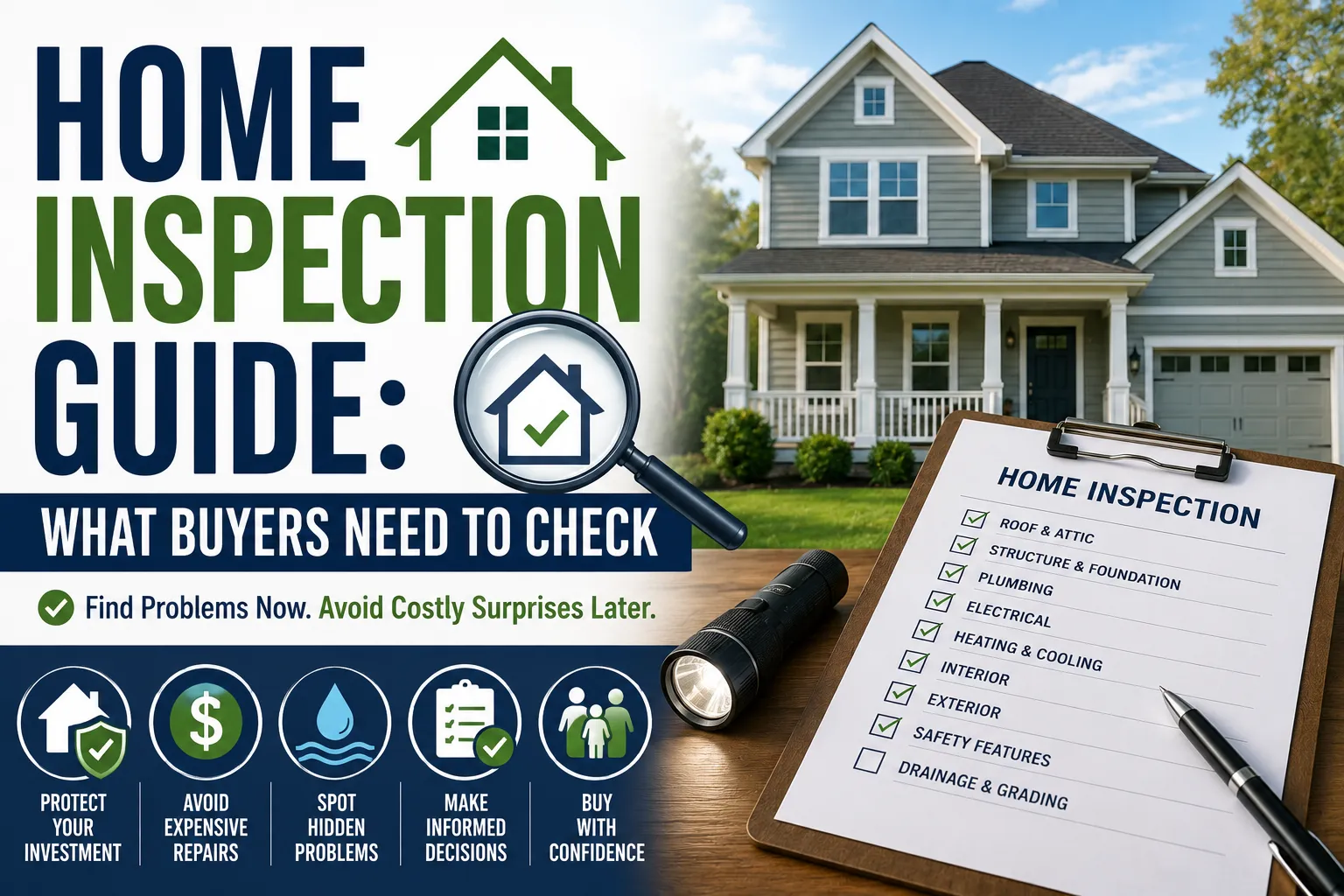
Home Inspection Guide: What Buyers Need to Check
Buying a home is exciting, but the property that looks perfect during a viewing can hide expensive problems behind walls, under floors or above ceilings.
That is where a home inspection becomes one of the most important steps in the buying process.
A professional inspection gives a buyer an independent assessment of the home’s physical condition and can reveal defects that are difficult to spot during a normal viewing. The Consumer Financial Protection Bureau recommends scheduling an inspection as early as possible after choosing a property so buyers have time to investigate problems and decide how to respond.
A good inspection is not about finding a house with absolutely nothing wrong with it. Every home has maintenance needs.
The goal is to understand what is wrong, how serious it is, what may need attention soon, and what could become a major expense later.
For a broader understanding of financing and the home-buying process, see Mortgage Explained.
What Is a Home Inspection?
A home inspection is a detailed visual examination of the accessible components and systems of a property.
Depending on the inspector and local standards, the inspection may cover areas such as:
- Structural components
- Roof systems
- Exterior surfaces
- Foundation
- Attic and insulation
- Plumbing
- Electrical systems
- Heating and cooling
- Interior rooms
- Windows and doors
- Drainage
- Garages and accessible outbuildings
Professional inspection standards commonly distinguish between components an inspector is expected to examine and specialized areas that may require additional professionals. For example, established inspection standards include roofing, plumbing and electrical systems among major inspection areas while excluding certain inaccessible or specialized components.
A standard inspection is therefore not the same as a guarantee that every possible defect has been discovered.
Why Buyers Should Not Skip the Inspection
A home can look well maintained while still having significant underlying problems.
A cosmetic renovation may conceal:
- Old plumbing
- Damaged wiring
- Roof deterioration
- Drainage problems
- Foundation movement
- Poor ventilation
- Water intrusion
- Aging mechanical equipment
An inspection can give buyers information they can use before making a final commitment.
Depending on the purchase contract and local law, an inspection contingency may also give the buyer options if significant defects are discovered. These can include negotiating repairs or credits or, where permitted by the contract, cancelling the purchase.
The exact rights available to a buyer vary by location and contract, so buyers should understand their inspection deadline and contingency terms before signing.
For a broader look at investigating a property before completing a purchase, see the Complete Guide to Property Due Diligence.
What Buyers Should Check First
Not every inspection finding deserves the same level of concern.
A loose cabinet handle is very different from a failing foundation.
When reviewing an inspection, prioritize problems according to:
- Safety
- Structural integrity
- Water intrusion
- Major systems
- Potentially expensive repairs
- Maintenance issues
- Cosmetic defects
This prevents buyers from becoming distracted by a long list of minor observations while overlooking the few issues that could materially affect the property’s value or ownership costs.
1. Check the Foundation and Structure
Structural problems should be among the first things buyers investigate.
Look for signs such as:
- Large cracks in foundation walls
- Significant cracks around doors or windows
- Uneven floors
- Doors that are difficult to open or close
- Windows that appear distorted
- Visible bowing or leaning walls
- Separation between walls and ceilings
- Sagging floors
- Evidence of previous structural repairs
Not every crack indicates a serious structural problem.
Homes naturally move and settle, and materials expand and contract.
The important question is whether the observed condition suggests a structural issue that requires further evaluation.
If an inspector identifies a potentially significant structural concern, a structural engineer or appropriately qualified building professional may be needed.
Why Foundation Problems Matter
Foundation repairs can become expensive, particularly when the underlying cause involves:
- Poor drainage
- Soil movement
- Water pressure
- Structural settlement
- Poor construction
- Expansive soils
A buyer should understand both the visible defect and its likely cause before deciding how to proceed.
Repairing a crack without addressing the reason it developed may not solve the underlying problem.
2. Inspect the Roof Carefully
The roof protects almost every other part of the home.
A roof problem can allow water into:
- Attics
- Ceilings
- Walls
- Insulation
- Electrical systems
- Interior finishes
During an inspection, the inspector may assess accessible roofing materials, drainage systems, flashing, skylights, chimneys and roof penetrations depending on the applicable inspection standard and accessibility.
Buyers should pay attention to:
- Missing or damaged roofing materials
- Excessive deterioration
- Damaged flashing
- Sagging roof areas
- Poor drainage
- Damaged gutters
- Water stains
- Improper roof repairs
- Signs of previous leaks
The remaining life of the roof is also important.
A roof that is currently functional may still represent a significant near-term expense if replacement is approaching.
3. Look for Water Intrusion
Water is one of the most important things a buyer should investigate.
Water intrusion can lead to:
- Structural damage
- Rot
- Damaged insulation
- Deteriorated finishes
- Mold growth
- Electrical hazards
- Persistent odors
Look for stains on:
- Ceilings
- Walls
- Floors
- Around windows
- Beneath plumbing fixtures
- Inside cabinets
- Around the roofline
Also check areas where water commonly accumulates outside the property.
Poor drainage can direct water toward the foundation instead of away from the building.
Don’t Assume a Fresh Coat of Paint Solved the Problem
Recently painted ceilings or walls deserve attention if there are other signs of possible water intrusion.
Fresh paint may simply be cosmetic maintenance, but it can also conceal previous staining.
Ask about the property’s history if you see suspicious patches, repaired drywall or recently replaced materials.
4. Examine Plumbing Systems
Plumbing problems can range from minor leaks to expensive failures inside walls or beneath the property.
A home inspection may examine accessible water supply and distribution systems, fixtures, drains, waste and vent systems, water-heating equipment and related components according to the applicable inspection scope.
Buyers should pay attention to:
- Leaking faucets
- Slow drains
- Low or inconsistent water pressure
- Corroded pipes
- Water stains
- Leaks beneath sinks
- Damaged fixtures
- Aging water heaters
- Poor drainage
- Signs of previous plumbing repairs
Open several appropriate faucets and observe how the water behaves.
Flush toilets and check whether drains clear normally.
If the property relies on a well or septic system, additional specialist inspections may be appropriate because these systems may fall outside the normal scope of a general inspection.
5. Inspect the Electrical System
Electrical defects can create serious safety risks.
The inspection should consider accessible components such as service equipment, panels, grounding, conductors, overcurrent protection and a representative number of switches, lighting fixtures and receptacles under applicable inspection standards.
Look for:
- Damaged outlets
- Loose switches
- Exposed wiring
- Improper modifications
- Overloaded electrical panels
- Missing covers
- Signs of overheating
- Frequently tripped breakers
- Extension cords being used as permanent wiring
Do not attempt to remove electrical-panel covers or investigate wiring yourself if you are not qualified.
An inspector or licensed electrician should handle technical electrical evaluation.
Older Homes Need Extra Attention
Older properties may have electrical systems that were designed for a very different level of household demand.
Modern homes commonly power numerous appliances, computers, heating and cooling equipment and other electrical devices.
An older electrical system may therefore require upgrading even if it appears to function normally.
6. Check Heating and Cooling Systems
Heating, ventilation and air-conditioning systems can represent significant replacement costs.
The inspection should establish the apparent condition and operation of accessible equipment within the inspection’s scope.
Buyers should find out:
- What type of system the property uses
- How old the equipment is
- Whether it operates normally
- Whether there are unusual noises
- Whether rooms heat or cool unevenly
- Whether maintenance records are available
- Whether there are visible leaks or damage
The CFPB specifically identifies heating, ventilation, air-conditioning and electrical systems among the mechanical and structural systems that a home inspection can help buyers evaluate.
If the equipment appears to be near the end of its useful life, include potential replacement costs in your ownership planning.
7. Examine Windows and Doors
Windows and doors affect:
- Security
- Weather protection
- Energy efficiency
- Ventilation
- Comfort
- Water resistance
Check whether windows and doors:
- Open and close properly
- Lock securely
- Show signs of water damage
- Have damaged frames
- Have failed seals
- Allow noticeable drafts
- Show condensation between glazing where applicable
Older windows are not automatically defective.
The question is whether their condition and performance are consistent with the property’s price and your expectations.
8. Check the Attic
The attic can reveal problems that are difficult to see from living spaces.
Depending on accessibility, inspect for:
- Roof leaks
- Water staining
- Damaged insulation
- Poor ventilation
- Pest activity
- Improper electrical work
- Moisture
- Structural concerns
- Inadequate insulation
A poorly ventilated or inadequately insulated attic can contribute to comfort and energy problems.
Water stains are particularly important because they may indicate current or historical roof leakage.
The inspector should distinguish between active problems and evidence of previous repairs where possible.
9. Inspect the Basement or Crawl Space
If the property has a basement or crawl space, do not overlook it.
These areas can reveal:
- Foundation problems
- Moisture
- Standing water
- Drainage issues
- Pest activity
- Plumbing leaks
- Structural damage
- Poor ventilation
- Damaged insulation
A finished basement can make these problems harder to identify because walls and ceilings may conceal underlying conditions.
Ask whether the inspector was able to access all relevant areas.
10. Check Exterior Drainage
A home can have a sound foundation and still develop water problems if drainage is poor.
Look at:
- Gutters
- Downspouts
- Grading
- Drainage channels
- Areas around the foundation
- Retaining structures
- Exterior paving
The basic objective is to prevent water from accumulating against the building.
If downspouts discharge directly beside the foundation, ask whether that arrangement is appropriate for the property.
Local soil conditions and drainage requirements can influence the correct solution.
11. Examine the Exterior Walls
Walk around the exterior and look for:
- Cracked siding
- Damaged masonry
- Rot
- Peeling finishes
- Gaps around windows
- Damaged trim
- Poorly sealed penetrations
- Signs of water intrusion
Pay particular attention to transitions between different materials.
Water often enters buildings at joints, penetrations and poorly sealed connections.
12. Check the Kitchen
The kitchen contains several systems that should be inspected.
Look at:
- Plumbing beneath sinks
- Faucets
- Drains
- Cabinets
- Countertops
- Electrical outlets
- Appliances
- Ventilation
- Flooring
- Signs of leaks
Check whether appliances included in the sale are actually functioning as expected.
Do not assume that every appliance will be covered by the general inspection.
The scope can vary, so ask what the inspector tests.
13. Inspect the Bathrooms
Bathrooms combine plumbing, ventilation, electrical systems and moisture.
Check:
- Toilets
- Sinks
- Showers
- Bathtubs
- Faucets
- Drains
- Exhaust ventilation
- Flooring
- Wall surfaces
- Grout and sealants
- Cabinets
Look for soft flooring or stained surfaces around toilets, tubs and showers.
These can indicate moisture problems.
Persistent condensation or poor ventilation can also contribute to deterioration over time.
14. Check Floors, Walls and Ceilings
Interior surfaces can reveal problems elsewhere in the house.
Look for:
- Uneven floors
- Cracks
- Water stains
- Sagging ceilings
- Damaged drywall
- Soft flooring
- Separations around trim
- Signs of previous repairs
Again, not every cosmetic defect represents a major problem.
The key is to determine whether the condition is merely cosmetic or could indicate movement, moisture or structural deterioration.
15. Look for Signs of Pests
Pest damage can be expensive and difficult to detect without specialist knowledge.
Watch for:
- Insect damage
- Wood deterioration
- Droppings
- Nesting
- Damaged insulation
- Mud tubes or similar evidence where relevant
- Holes in woodwork
- Unusual sounds
A general home inspection may identify signs of pest activity, but a dedicated pest inspection may be necessary for a definitive assessment.
This is particularly important in areas where termites or other wood-destroying organisms are common.
16. Check for Mold and Persistent Moisture
Visible mold-like growth, musty odors and persistent dampness should not be ignored.
Potential sources include:
- Plumbing leaks
- Roof leaks
- Condensation
- Poor ventilation
- Groundwater
- Flooding
- Poor drainage
The presence of suspected mold does not automatically tell you the source or extent of the problem.
If significant moisture or suspected mold is identified, specialist evaluation may be appropriate.
The most important question is often not simply “How do we clean this?” but “Why is this area staying wet?”
17. Inspect Safety Features
Safety-related components deserve priority.
Depending on the property and inspection scope, check:
- Smoke alarms
- Carbon monoxide alarms
- Handrails
- Stairways
- Guardrails
- GFCI protection where applicable
- Electrical hazards
- Trip hazards
- Garage safety features
- Emergency exits
Local building and electrical requirements vary, so a home inspector should not be expected to determine compliance with every code provision unless specifically contracted to do so.
A standard inspection is generally about the observed condition of the property rather than serving as a complete code-compliance audit.
18. Examine the Garage
If the property includes a garage, check:
- Garage door operation
- Door opener
- Structural condition
- Flooring
- Electrical outlets
- Lighting
- Water intrusion
- Storage areas
- Fire separation where applicable
- Signs of pests
Garage doors can be particularly important safety components.
If the automatic opener or safety-reversal mechanism appears defective, it should be addressed promptly.
19. Don’t Forget Outdoor Areas
Buyers sometimes focus so heavily on the house that they overlook the surrounding property.
Check:
- Driveways
- Walkways
- Patios
- Decks
- Fences
- Retaining walls
- Drainage
- Landscaping
- Outdoor electrical fixtures
- Exterior water connections
Large trees close to structures may also deserve professional evaluation if there are signs of instability, disease or root-related concerns.
What a Home Inspection Usually Does Not Cover
One of the biggest inspection misconceptions is assuming that a general inspection covers absolutely everything.
Specialized systems may require separate professionals.
Depending on the property, buyers may need additional assessments for:
- Septic systems
- Wells
- Swimming pools
- Chimneys
- Sewer lines
- Pest activity
- Radon
- Mold
- Asbestos
- Lead-based paint
- Structural engineering
- Geotechnical conditions
- Solar systems
- Specialized electrical equipment
Inspection standards also commonly exclude inaccessible components and certain specialized systems.
Ask your inspector what is included before the inspection begins.
Should Buyers Attend the Inspection?
If possible, yes.
Being present allows you to see problems firsthand and ask questions.
The CFPB specifically recommends attending when possible because it can make it easier to understand the inspection report and discuss concerns with the inspector.
You do not need to become an expert during the inspection.
Instead, pay attention when the inspector points out:
- Safety concerns
- Structural issues
- Water problems
- Major system defects
- Expensive repairs
- Conditions requiring specialist evaluation
Ask what the inspector would prioritize if the property were their own.
Questions Buyers Should Ask the Inspector
A good inspection should be an opportunity for questions.
Consider asking:
“What are the most serious issues?”
This helps separate major concerns from routine maintenance.
“What needs attention immediately?”
Some problems may require prompt repair.
“What could become expensive if ignored?”
A minor defect today may become a major repair later.
“Which findings require another specialist?”
The inspector may recommend an electrician, plumber, roofer, engineer or other professional.
“How old are the major systems?”
Age can help you plan for future expenses.
“Was anything inaccessible?”
An inaccessible attic, crawl space or roof area creates an inspection limitation.
“Is there evidence of previous repairs?”
Previous repairs are not necessarily bad, but their quality and reason matter.
How to Read the Inspection Report
A long inspection report can be overwhelming.
Do not treat every line item as equally important.
Start by categorizing findings.
| Category | Examples | Typical priority |
|---|---|---|
| Safety | Electrical hazards, missing safety features | High |
| Structural | Foundation movement, major framing concerns | High |
| Water | Active leaks, drainage failures | High |
| Major systems | HVAC, electrical, plumbing, roof | High |
| Maintenance | Minor deterioration, worn seals | Medium |
| Cosmetic | Paint, minor surface damage | Low |
This is only a general framework.
The actual severity of a finding depends on the property’s condition, local climate, construction and professional assessment.
Which Inspection Problems Should Concern Buyers Most?
Certain findings deserve particular attention because they can involve large repair bills or safety concerns.
Structural Movement
Significant foundation or structural problems can require specialist assessment.
Active Water Intrusion
Water can cause damage that extends far beyond the visible stain.
Roof Failure
A failing roof can allow extensive secondary damage.
Major Electrical Defects
Unsafe electrical conditions can pose fire or shock risks.
Severe Plumbing Problems
Leaks and damaged supply or drainage systems can cause substantial property damage.
Failing HVAC Equipment
A replacement may represent a significant near-term cost.
Major Drainage Problems
Poor site drainage can contribute to foundation and moisture problems.
Significant Pest Damage
Structural timber can be compromised by certain pests.
The important thing is not to panic when one of these issues appears in a report.
It is to obtain enough information to understand the problem.
Get Specialist Estimates Before Negotiating
Suppose the inspection identifies a roof problem.
Do not automatically assume the repair will cost a particular amount based on an internet estimate.
Obtain a professional evaluation and, where appropriate, a written repair estimate.
The same applies to:
- Structural repairs
- Electrical work
- Plumbing
- HVAC replacement
- Drainage
- Pest treatment
This gives you better information when deciding whether to negotiate with the seller.
Inspection Findings Can Affect Your Purchase Decision
The inspection does not necessarily mean you should demand that the seller fix everything.
Older homes naturally have worn components.
A property with a 15-year-old roof may still be perfectly reasonable if the price reflects its condition and you have budgeted for eventual replacement.
The bigger question is:
Does the property’s condition make sense at the agreed price and within your financial capacity?
That is a more useful way to interpret an inspection than expecting a completely defect-free home.
For buyers assessing whether the purchase price fits their finances, the guide to determining how much house you can afford can help put repair and ownership costs into a broader affordability context.
Don’t Confuse an Inspection With an Appraisal
An inspection and an appraisal serve different purposes.
A home inspection focuses primarily on the physical condition of the property.
An appraisal estimates the property’s market value for lending purposes.
The CFPB emphasizes that buyers generally need both because they answer different questions.
An appraiser is not a substitute for an independent home inspector.
Don’t Confuse an Inspection With a Warranty
A home inspection is also not a guarantee that nothing will go wrong after you buy the property.
Inspectors generally report observed conditions within the scope of their inspection.
They cannot necessarily identify:
- Concealed defects
- Intermittent problems
- Inaccessible components
- Future failures
- Every code violation
- Problems that only occur under unusual conditions
This is why buyers should carefully read the inspection agreement and report.
What About New Construction?
New construction does not automatically mean defect-free construction.
New homes can still have:
- Drainage problems
- Poor workmanship
- Improper installations
- Missing finishes
- Mechanical defects
- Construction damage
- Incomplete work
A buyer may therefore choose to have new construction inspected as well.
In some cases, buyers also use inspections at different construction stages or before warranty periods expire.
The appropriate approach depends on the contract, builder and local practices.
What About Older Homes?
Older homes require a different mindset.
Age itself is not necessarily a defect.
A well-maintained older home can be in better condition than a poorly maintained newer property.
However, older properties may contain components that are nearing the end of their service life or construction methods that differ from current practices.
Pay particular attention to:
- Electrical systems
- Plumbing materials
- Roof condition
- Foundation
- Drainage
- Windows
- Insulation
- Heating and cooling
- Previous renovations
If an older system is unfamiliar to you, ask a qualified professional to explain its condition and likely maintenance needs.
Check Insurance and Disaster Risk Too
The physical inspection is only one part of evaluating a property.
Buyers should also investigate risks such as:
- Flooding
- Wildfires
- Storm damage
- Earthquakes
- Severe weather
- Water availability
- Local environmental hazards
The CFPB recommends asking about previous flood or disaster damage and checking whether appropriate insurance is available and affordable.
The Ultimate Homeowners Insurance Guide provides additional information about how insurance fits into the overall cost and risk of owning a home.
This matters because a house can pass a conventional inspection and still be financially unsuitable if insurance is extremely expensive or difficult to obtain.
Check the Property’s Maintenance History
Ask for documentation where available.
Useful records can include:
- Roof replacement
- HVAC servicing
- Plumbing repairs
- Electrical upgrades
- Appliance replacements
- Pest treatments
- Waterproofing
- Renovations
- Structural work
Maintenance records can help establish what has been repaired and what may be approaching replacement.
They can also help a future homeowner understand the systems installed in the property.
Red Flags Buyers Should Not Ignore
Some warning signs deserve further investigation rather than being dismissed.
These can include:
- Strong musty odors
- Fresh paint in isolated areas
- Visible water stains
- Significant foundation cracks
- Multiple rooms with uneven floors
- Repeated electrical problems
- Persistent plumbing leaks
- Sagging roof sections
- Extensive DIY modifications
- Standing water near the foundation
- Evidence of repeated repairs to the same component
A red flag does not automatically mean you should walk away.
It means you should investigate before committing.
A Practical Room-by-Room Inspection Checklist
Use this simplified checklist during your inspection.
Exterior
- Foundation
- Exterior walls
- Roof
- Gutters
- Downspouts
- Windows
- Doors
- Drainage
- Driveway
- Walkways
- Decks and patios
Kitchen
- Faucets
- Drains
- Cabinets
- Electrical outlets
- Appliances
- Ventilation
- Flooring
- Signs of leaks
Bathrooms
- Toilets
- Sinks
- Showers
- Tubs
- Faucets
- Drains
- Ventilation
- Flooring
- Moisture damage
Bedrooms and Living Areas
- Floors
- Walls
- Ceilings
- Windows
- Doors
- Outlets
- Heating and cooling
- Visible water damage
Attic
- Roof underside
- Insulation
- Ventilation
- Moisture
- Pests
- Electrical concerns
Basement or Crawl Space
- Foundation
- Moisture
- Drainage
- Plumbing
- Structural components
- Pest activity
Garage
- Door
- Opener
- Electrical
- Flooring
- Walls
- Water intrusion
- Safety separation
How to Choose a Home Inspector
The inspector you hire matters.
Look for someone who is:
- Properly qualified for your location
- Experienced with the type of property you are buying
- Independent
- Thorough
- Clear about their inspection scope
- Willing to answer questions
- Able to provide references or professional credentials
The CFPB recommends choosing an inspector with a reputation for being honest and thorough and stresses the importance of an inspector who is accountable to the buyer.
Professional inspection organizations also emphasize independence and objective reporting as important parts of inspection practice.
Do not choose an inspector solely because they offer the cheapest price.
The cost of a good inspection is small compared with the potential cost of an undiscovered major defect.
How Buyers Should Handle a Bad Inspection
A difficult inspection report does not automatically mean the purchase is over.
Start by separating the findings into three groups:
Must address:
Safety or major structural/system problems.
Should address:
Important maintenance or repair issues.
Can wait:
Minor cosmetic or routine maintenance items.
Then investigate the most significant findings.
Get specialist opinions where necessary and obtain realistic repair estimates.
Finally, compare the property’s condition with:
- Purchase price
- Available savings
- Financing
- Expected maintenance costs
- Insurance
- Your willingness to handle repairs
That provides a much clearer basis for making a decision.
The Inspection Should Answer One Big Question
A home inspection is not really about creating the longest possible list of defects.
It is about helping a buyer understand the true condition and likely ownership responsibilities of the property.
Before signing the final paperwork, you should have a reasonable understanding of:
- What is structurally sound
- What needs immediate attention
- Which major systems are aging
- Where water or moisture problems exist
- What safety concerns need correction
- Which repairs could be expensive
- Which issues require specialist evaluation
- What future maintenance you should budget for
The CFPB recommends scheduling an inspection early enough to give buyers time to resolve problems and notes that inspection findings may provide an opportunity to negotiate with the seller, depending on the contract and local circumstances.
Making a Better Decision Before Closing
The best home inspection is not the one that produces a perfect report.
It is the one that gives you enough reliable information to make a better-informed purchase decision.
Walk through the property with the inspector if possible. Ask questions. Focus on safety, structure, water, electrical, plumbing, roofing and major mechanical systems before worrying about cosmetic imperfections.
If something significant appears, investigate it rather than guessing at the repair cost.
And remember that an inspection is only one part of due diligence. Insurance availability, disaster risk, property records, financing, title, local regulations and specialist assessments can all affect whether a home is ultimately a good fit.
A house may have a few cracked tiles and still be an excellent purchase. Another property may look beautifully renovated while hiding serious drainage, structural or electrical problems.
The difference is information.
The more you understand about the home’s condition before closing, the fewer expensive surprises you are likely to face after receiving the keys.